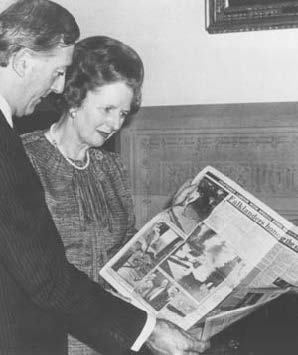
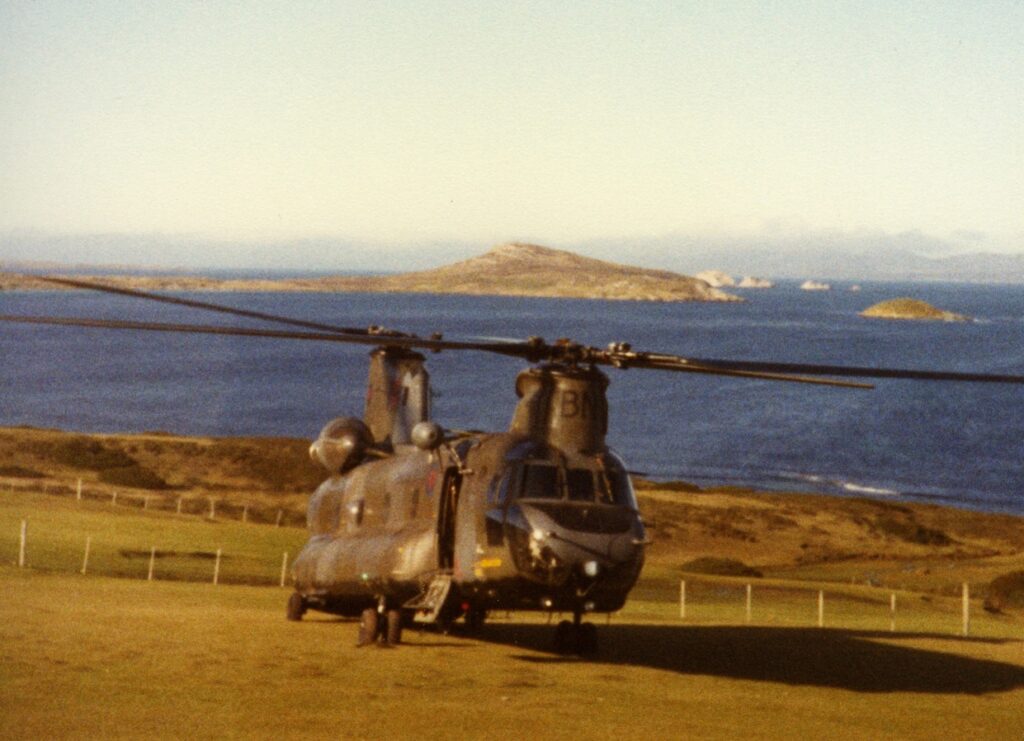
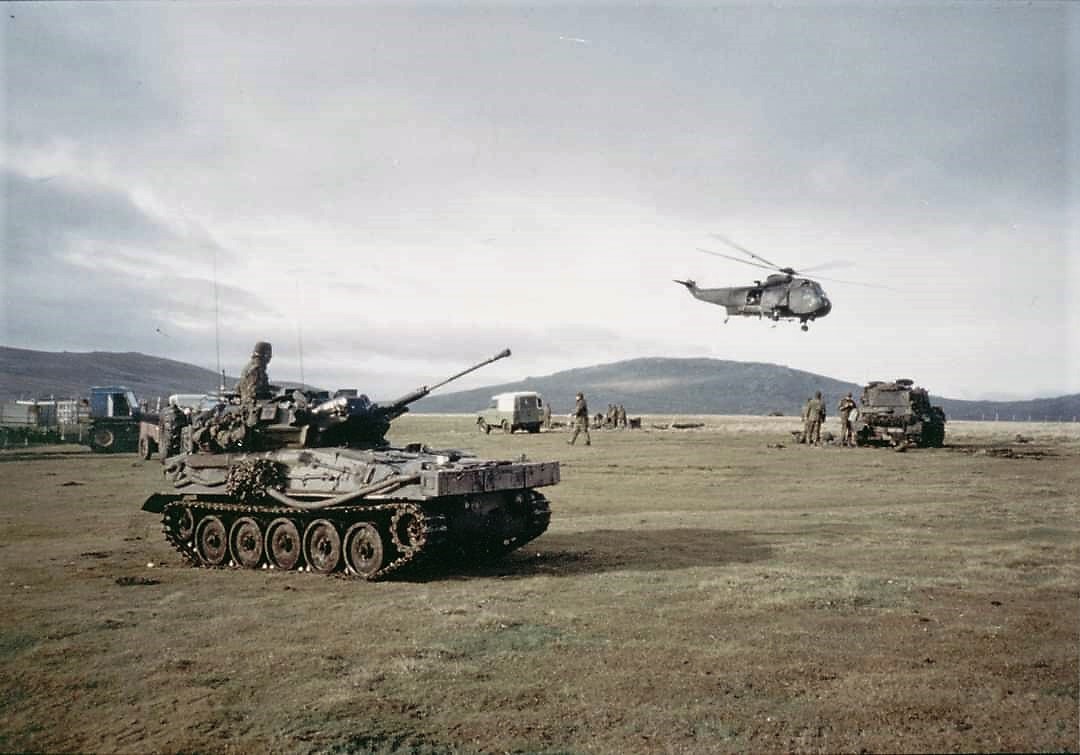
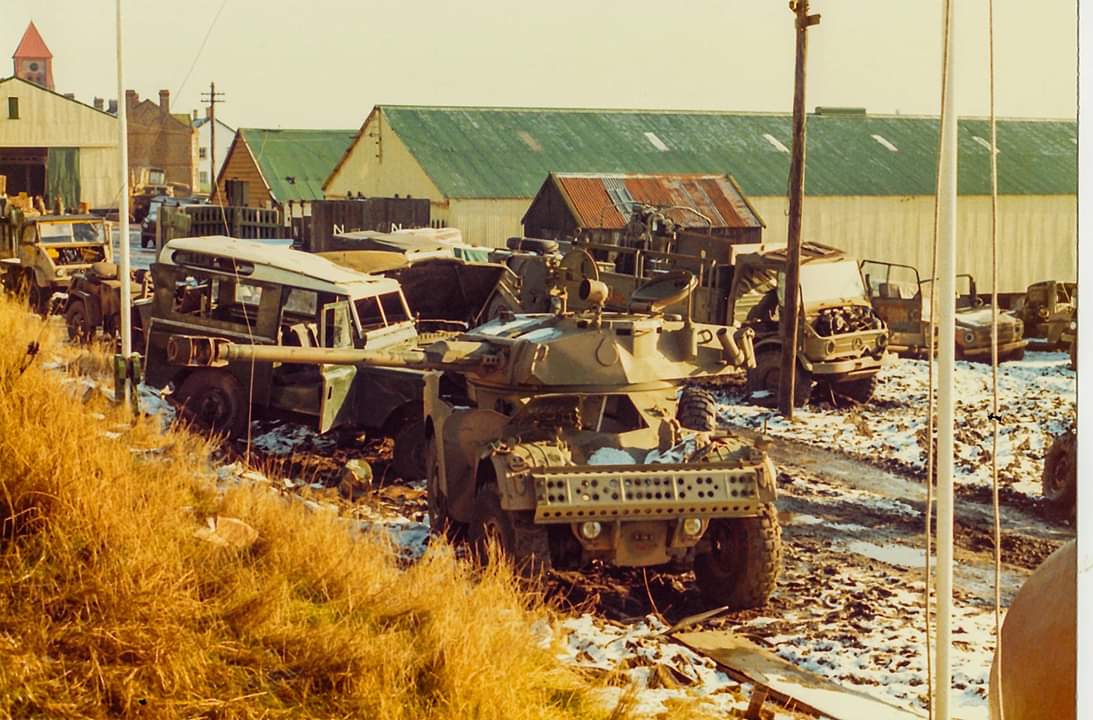
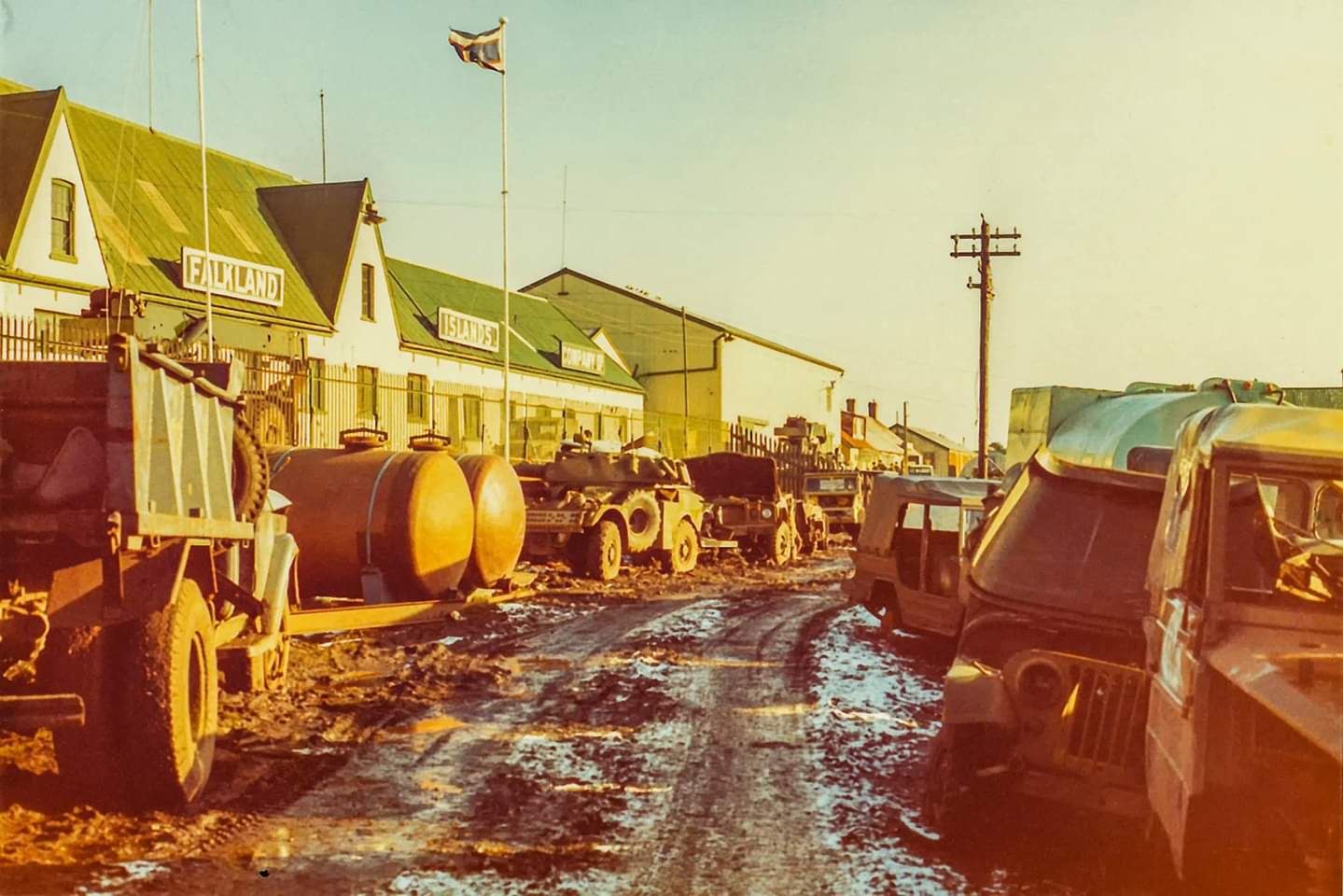
Prime Minister Margret Thatcher during Operation Corporate
Operation Corporate.
Falkland Islands, April - June 1982
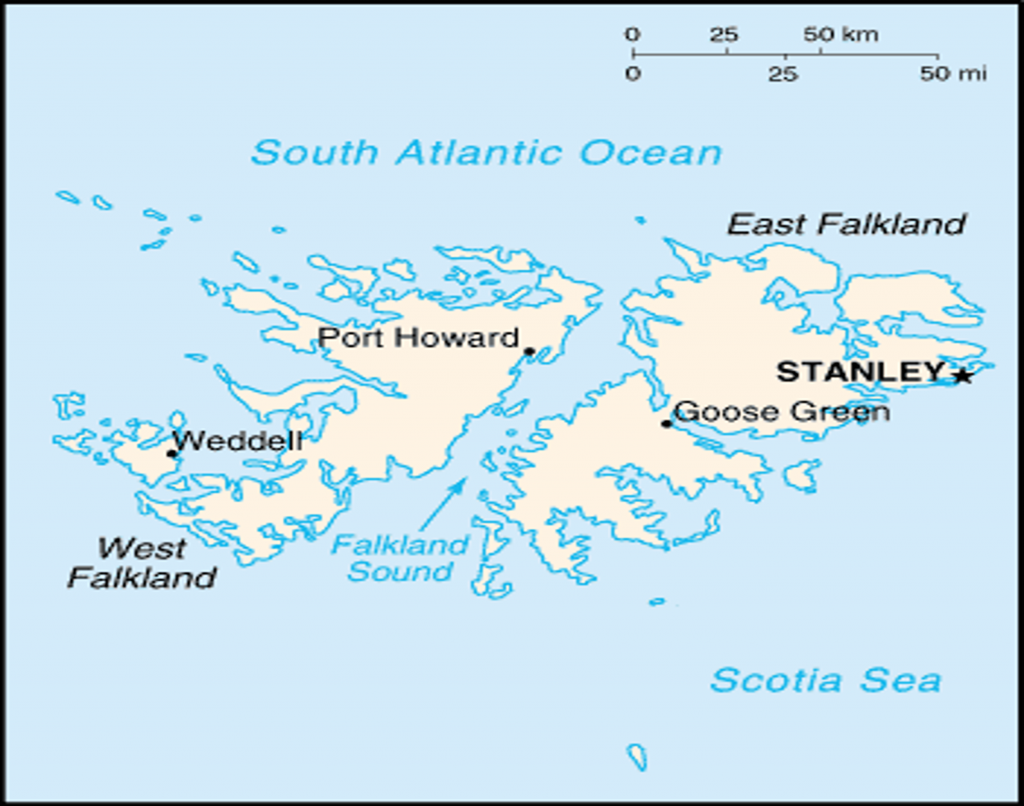
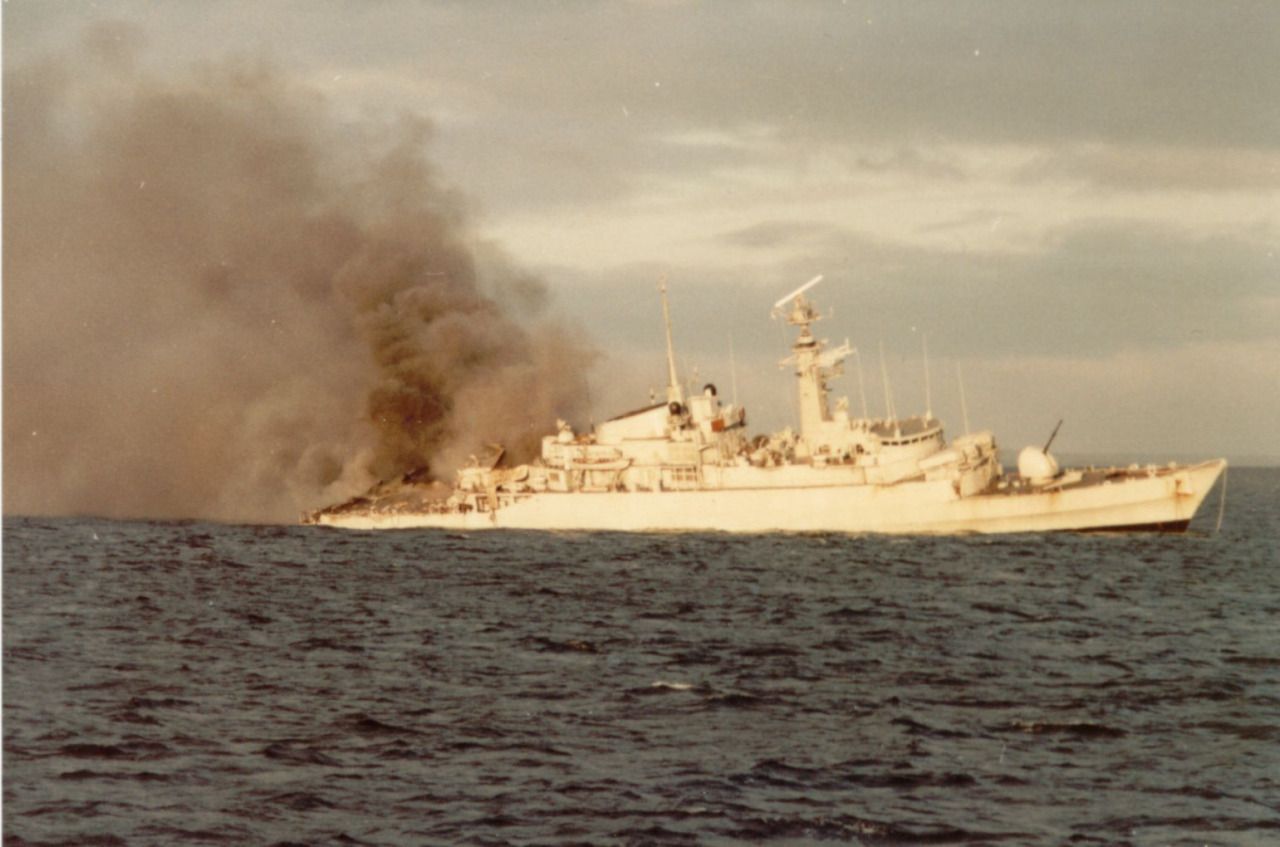
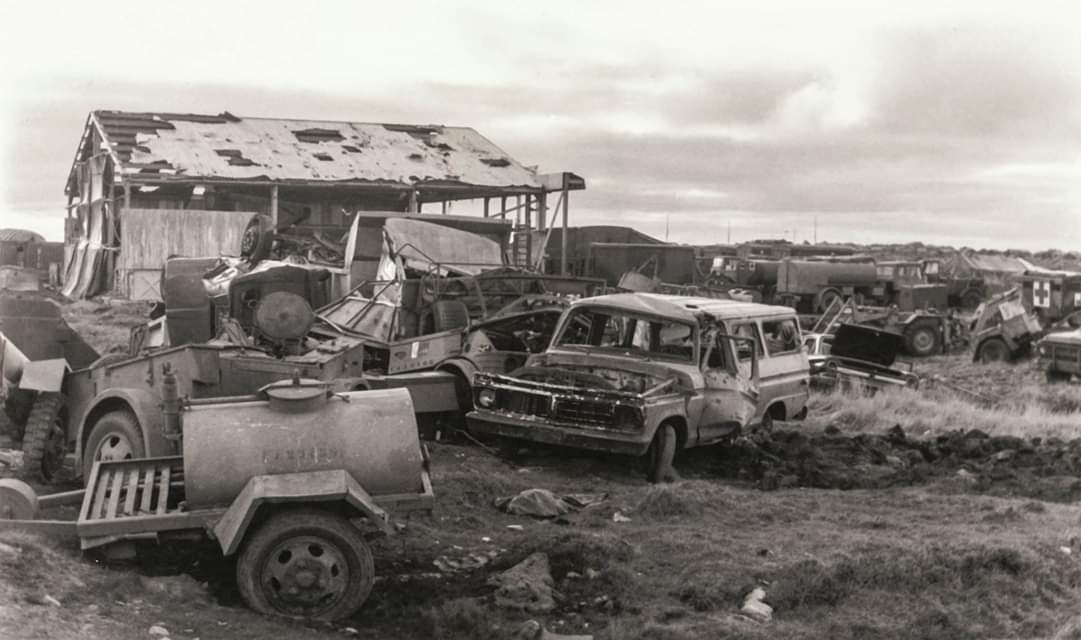
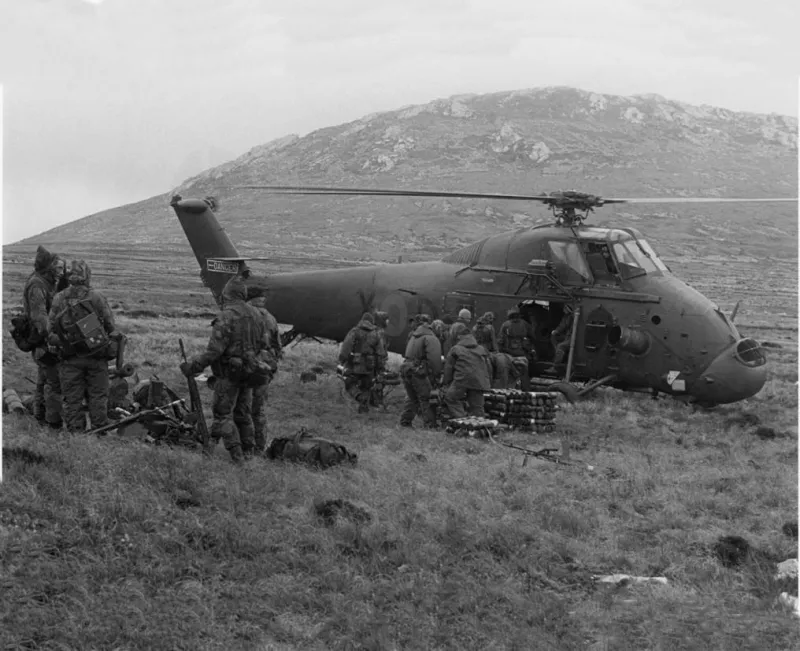
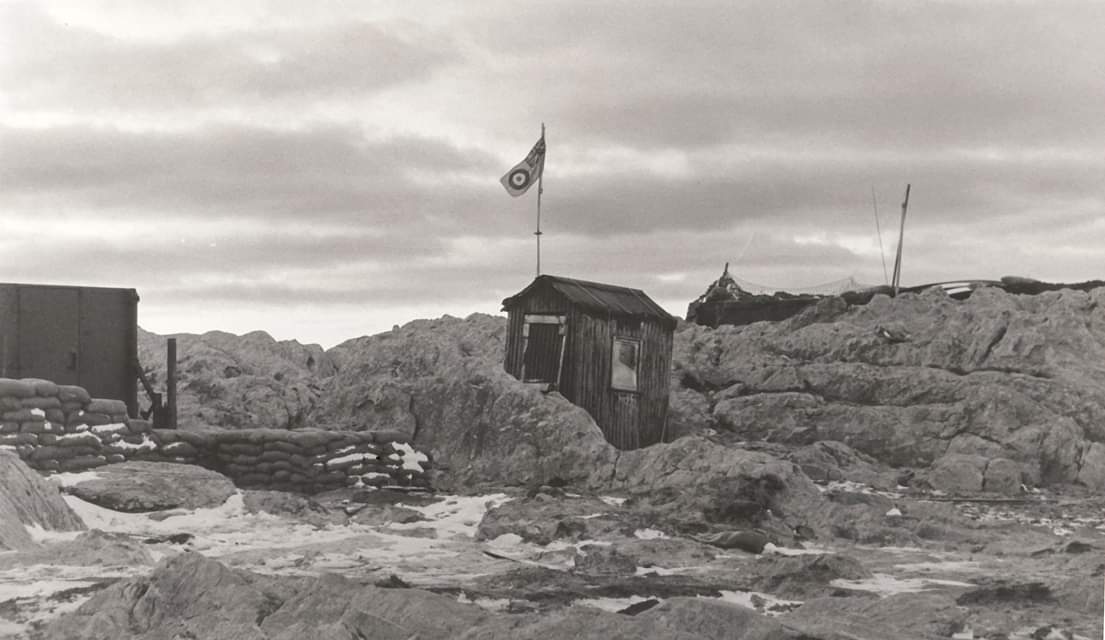
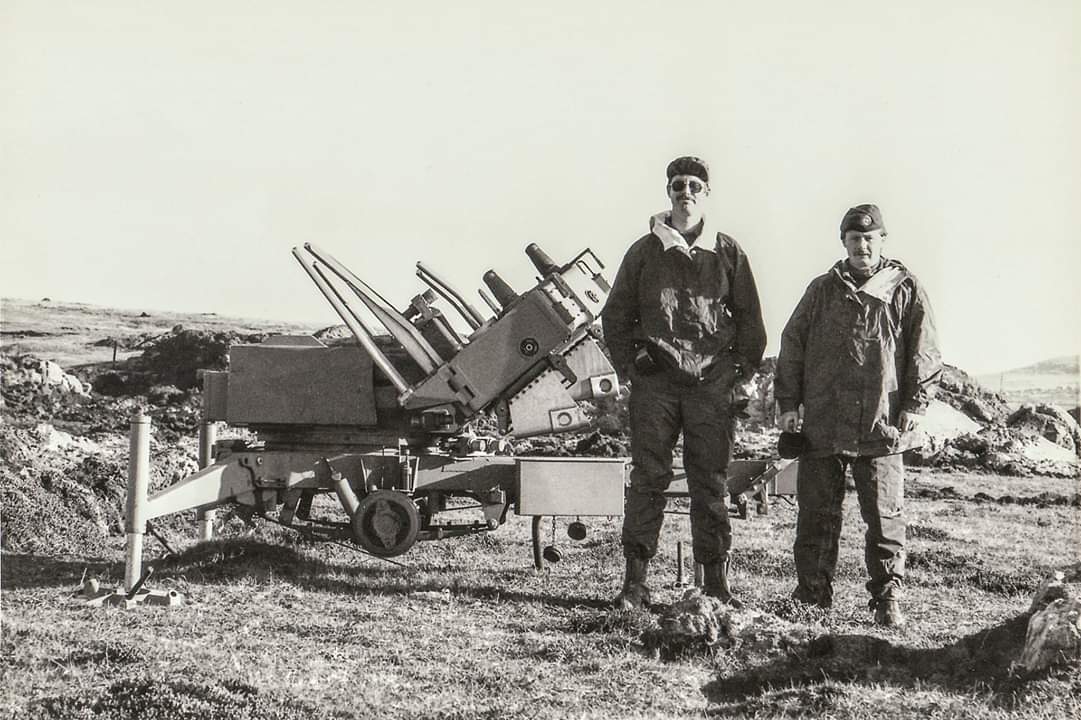
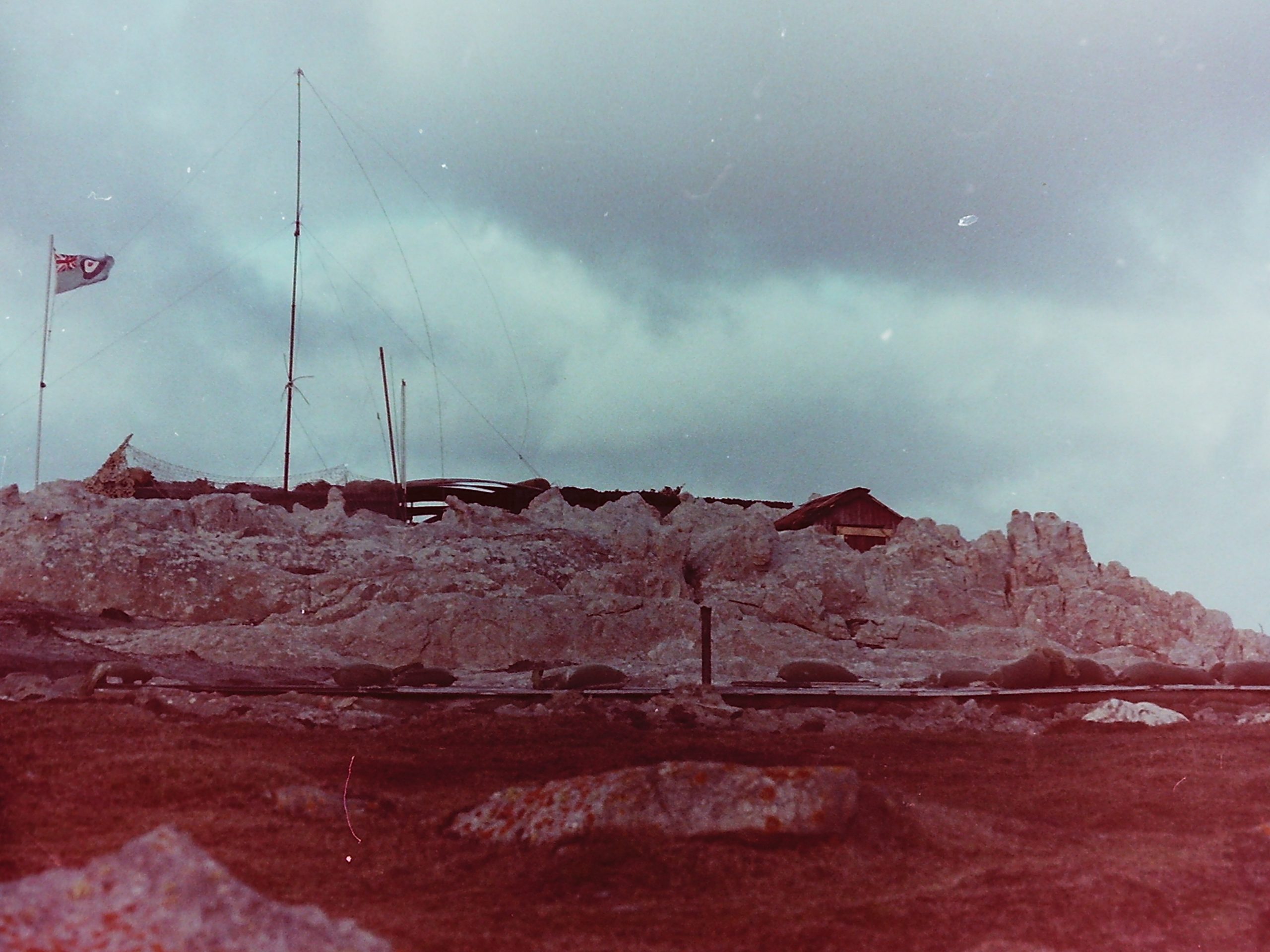
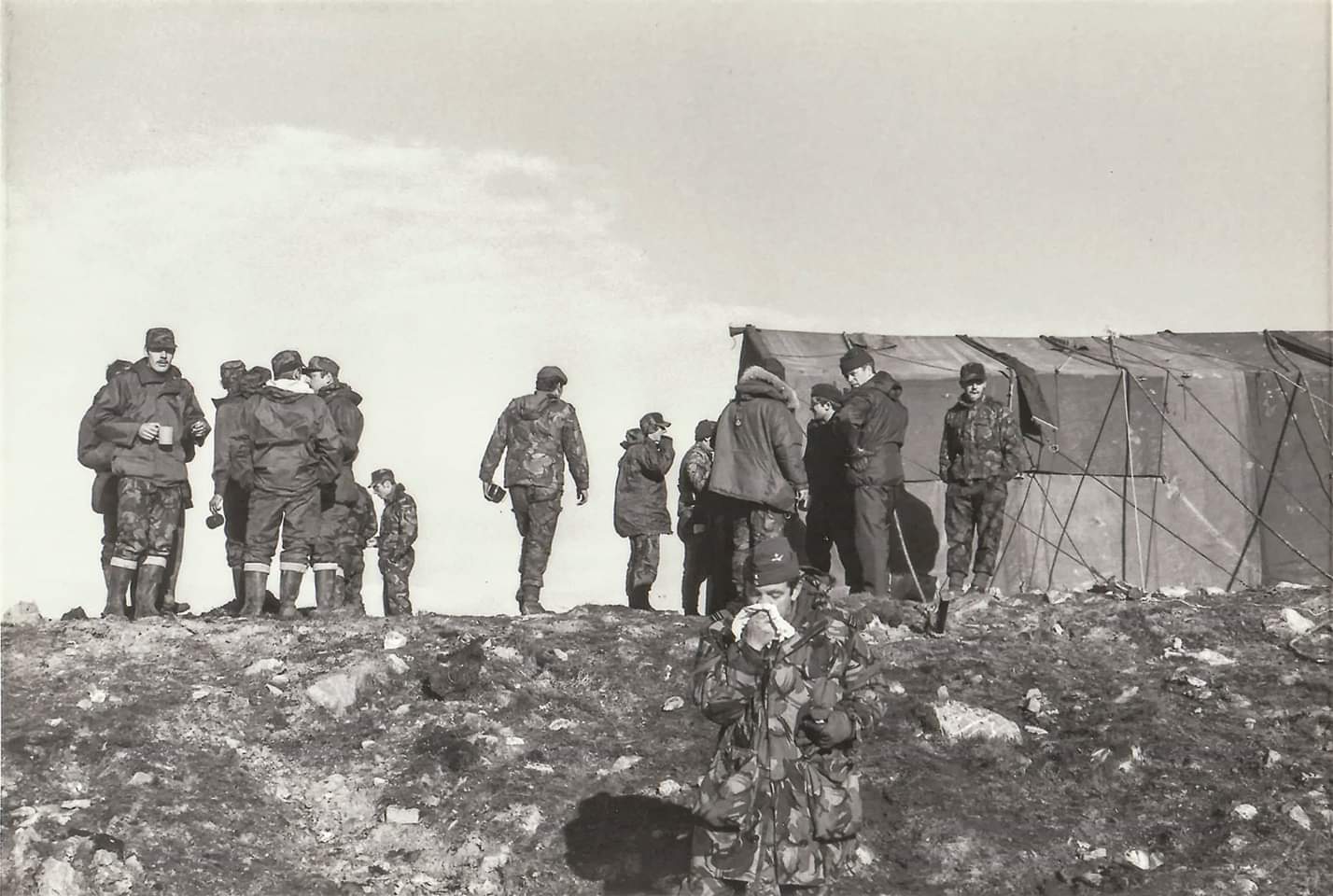
In 1982 argentine forces, in pursuit of a long held but disputed territorial claim, occupied the British Falkland Islands and South Georgia (a group of scrap metal merchants had initially raised the Argentine flag which caused some political wrangling). The RAF formed a significant part of the Joint Task Force, which was mounted to re-take the islands should diplomatic attempts at a peaceful solution fail. The Falklands campaign, Operation CORPORATE, involved conducting joint operations 8,000 miles from UK bases, against numerically superior Argentine forces working much closer to home. Over 200 TCW personnel were deployed on the operation, supporting both Air assets and 5 Infantry Brigade, 3 Commando Brigade and Special Forces
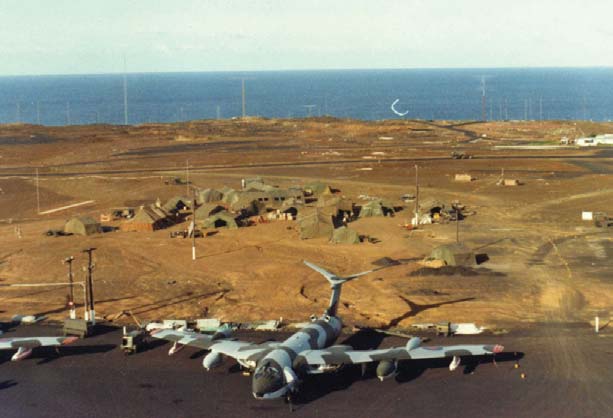
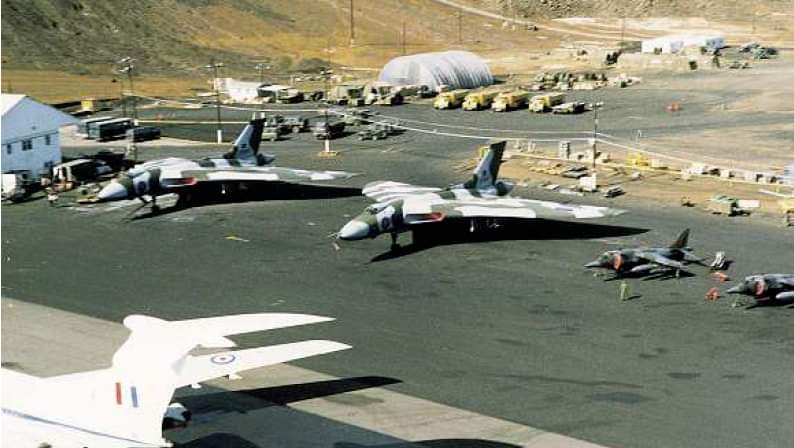
Victor aircraft in front TCW Communications hub, Ascension 1982
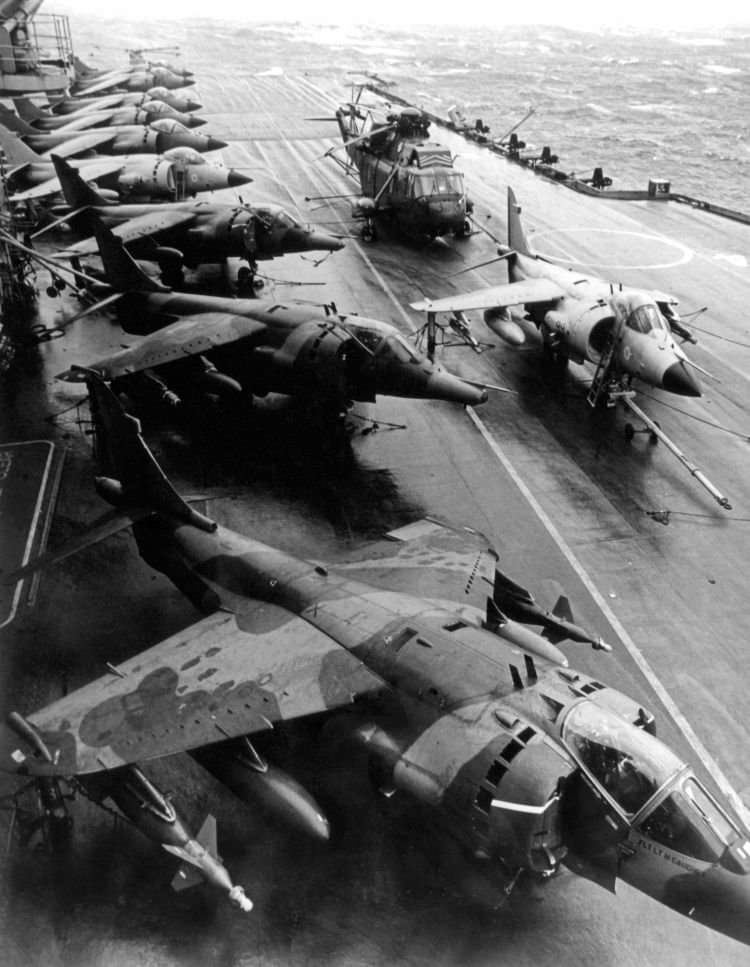
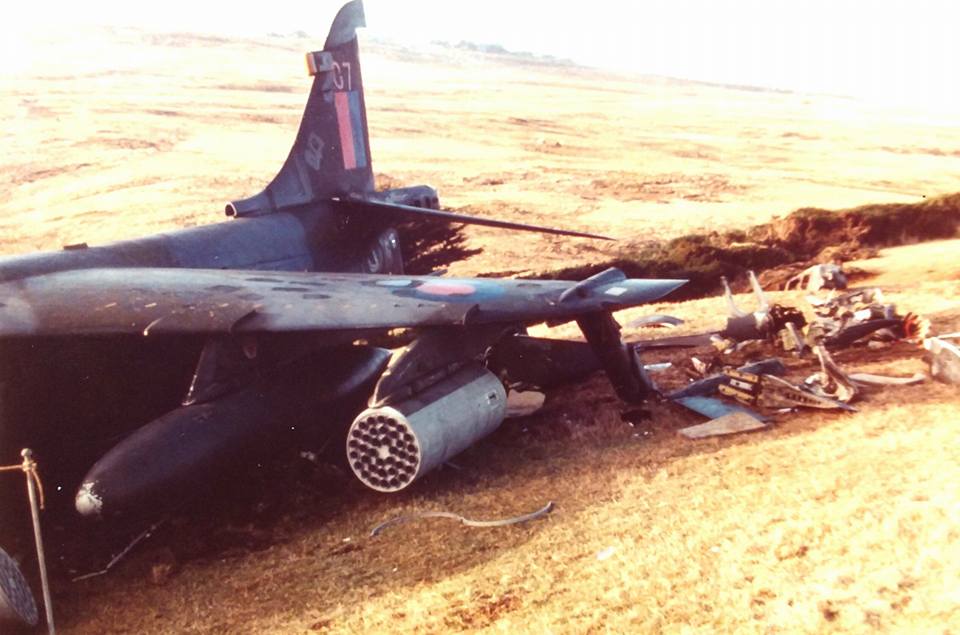
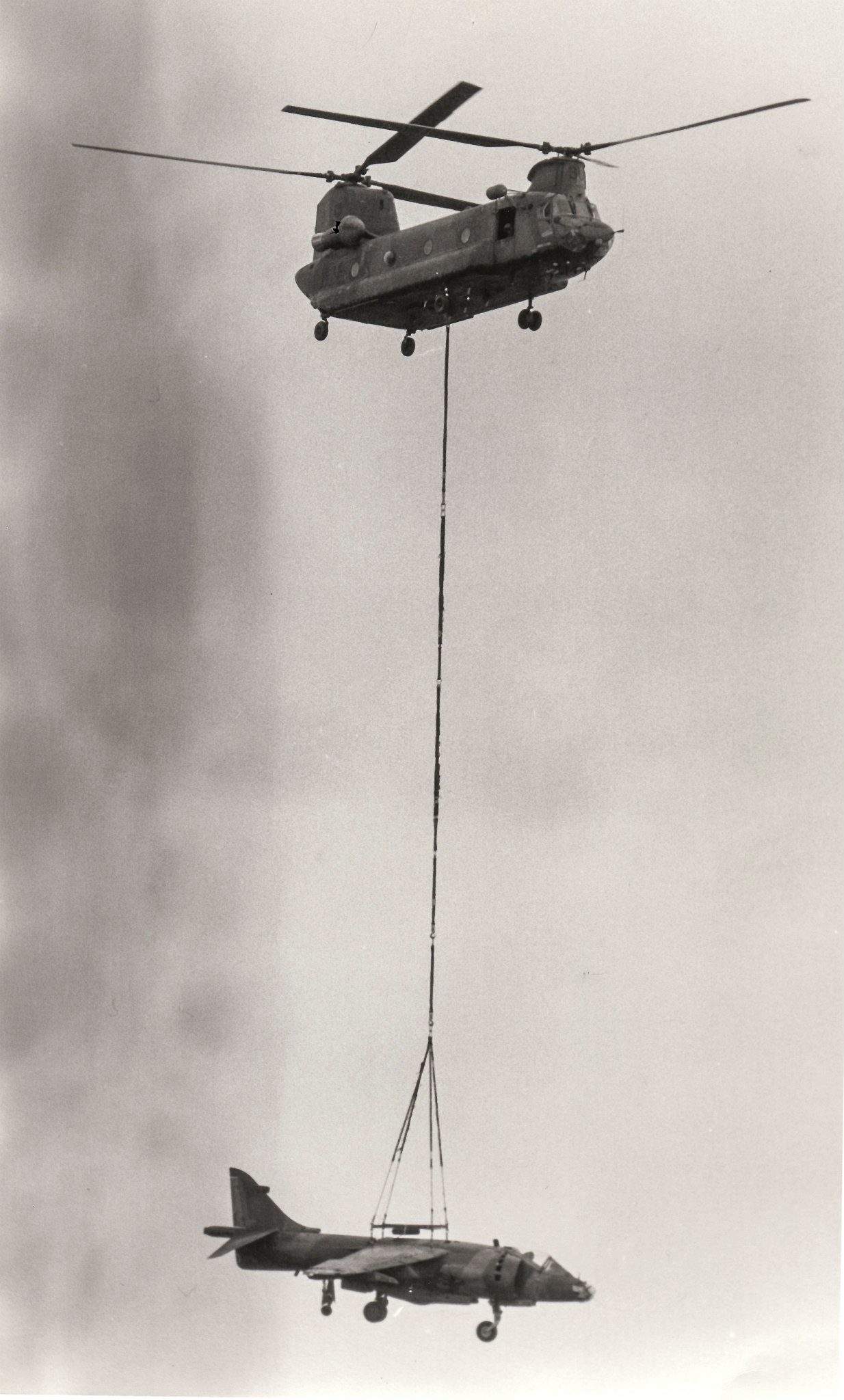
HMS Hermes, and Harrier GR3, Operation CORPORATE
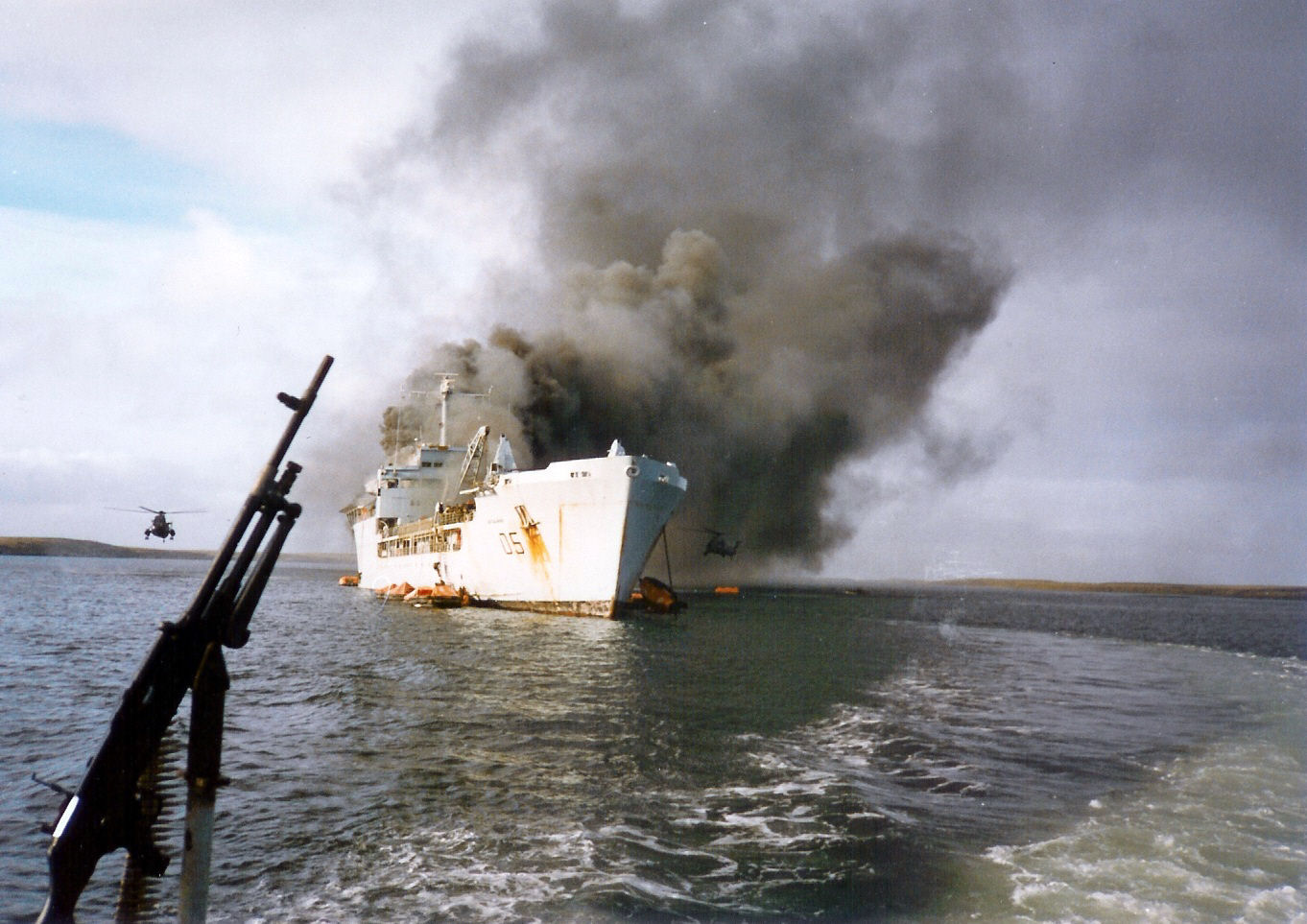
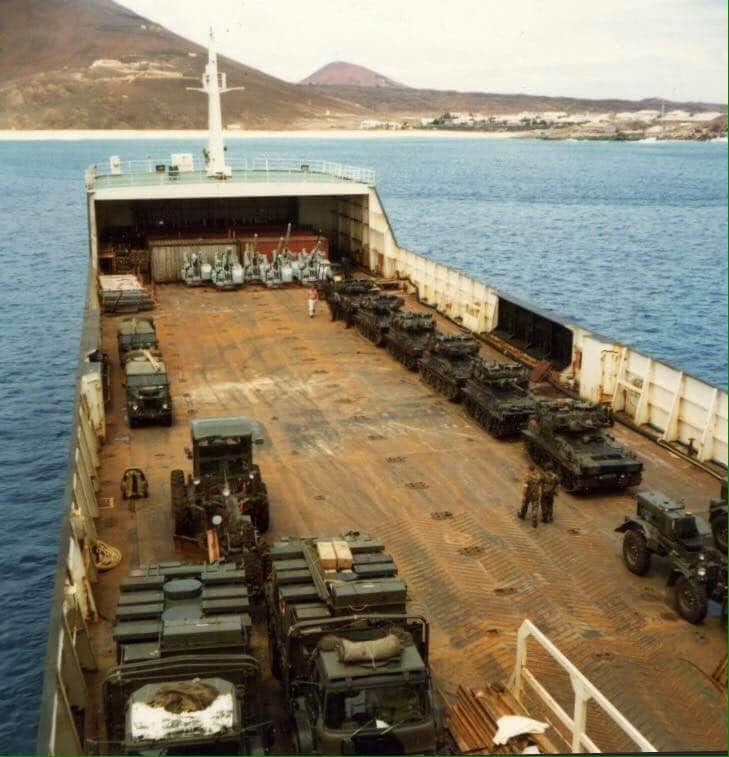
L3505, Sir Tristan, Op CORPORATE, June 1982
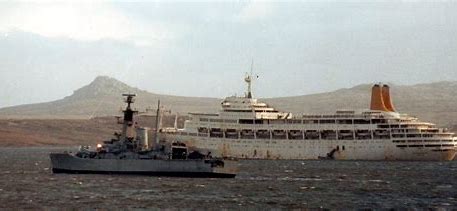
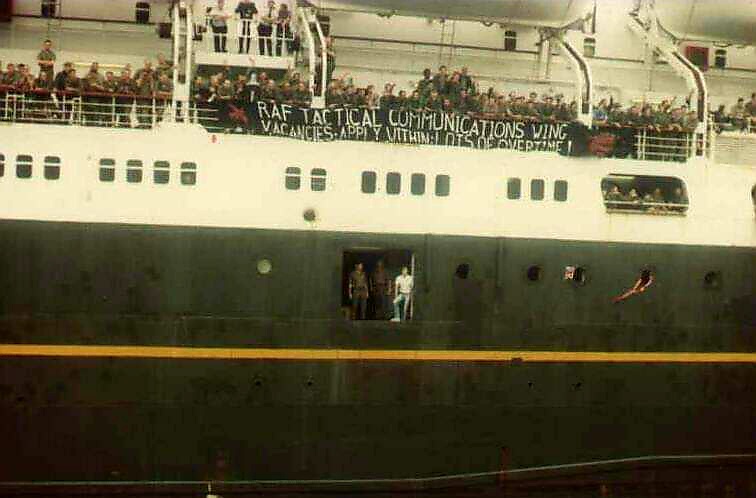
SS Canberra, 'the Great White Whale', Operation CORPORATE, 1982
Ascension
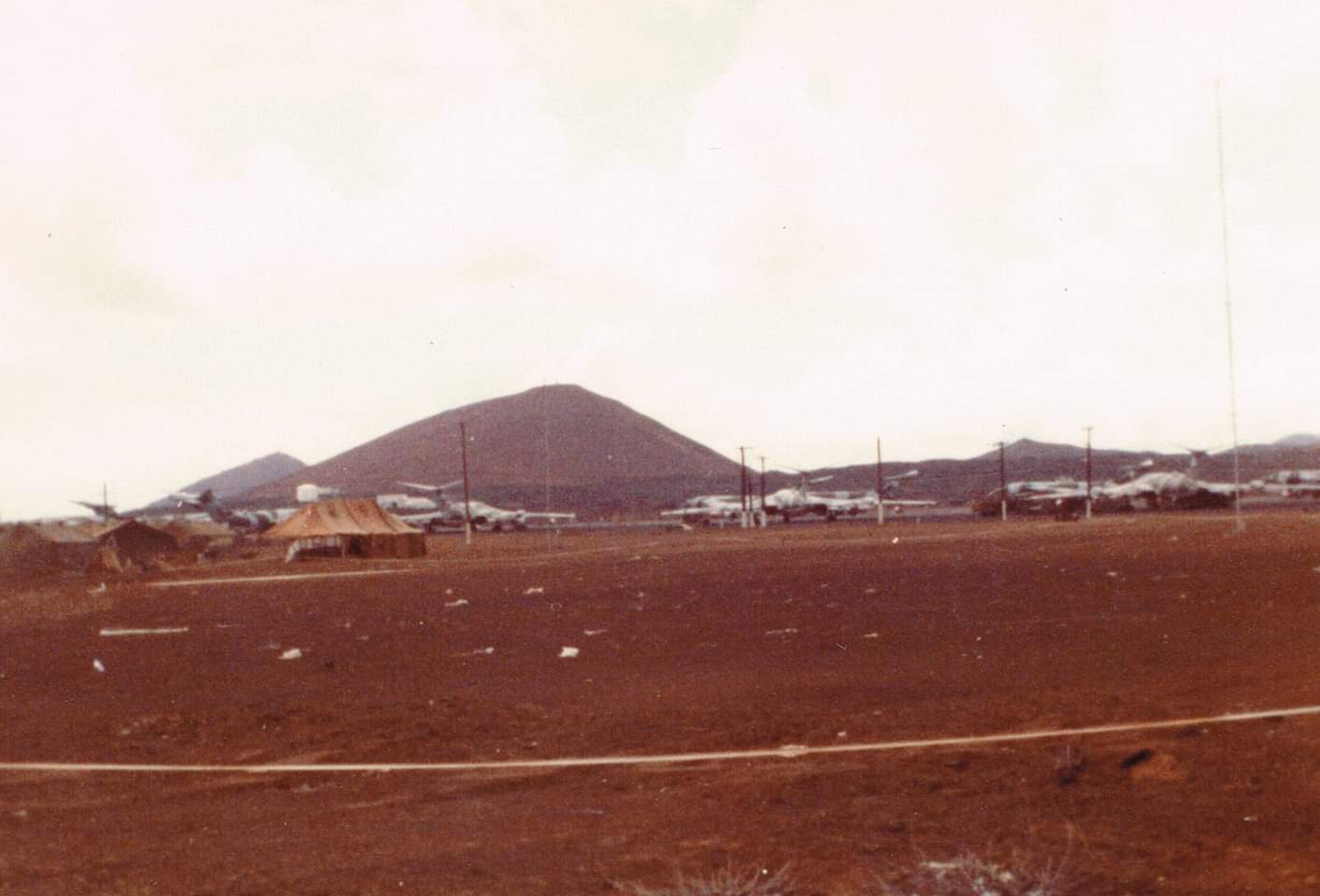
At the hub of all RAF activity in support of the Task Force was Ascension Island, approximately halfway between the UK and the Falklands. Ascension had an NASA operated airfield called Wideawake, which was the closest available land based one to the operational area. Rapidly it became a main base, staging post, maintenance unit and supply depot rolled into one. The TCW COMCEN at Ascension rapidly became a hot bed of activity, with a constant flow of signals traffic concerning the impending conflict.
The opening shots in the campaign to re-capture the Falkland Islands took place on 1 May when a force of RAF Vulcans based on Ascension Island attacked the airfield at Port Stanley, SAS and SBS patrols were also landed to survey the Argentine defences. The air attacks were followed on 2 May by the sinking of the Argentine cruiser BELGRANO by the British nuclear submarine HMS CONQUEROR, with a severe loss of life of the Argentine crew. The BELGRANO was regarded as a serious threat to the task force, although operating on the edge of the TEZ at the time, and its sinking was authorised by the war cabinet. The Argentine Air Force now made its presence felt by a successful Exocet attack on the destroyer SHEFFIELD, which sank with the loss of 24 lives on 4 May.
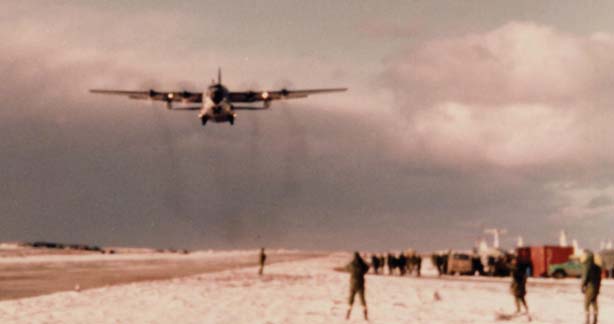
First C130 Hercules landing at Port Stanley Airfield
Task force
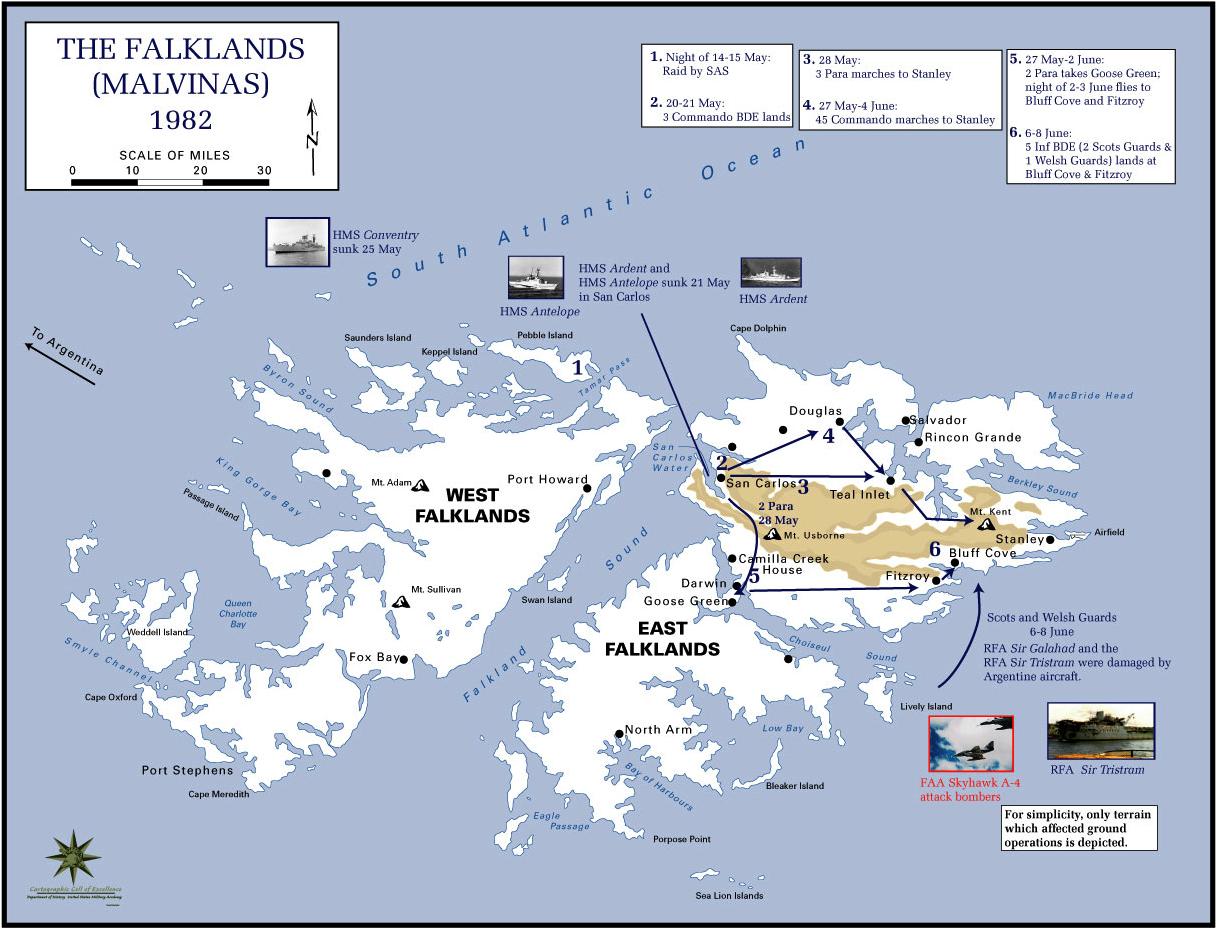
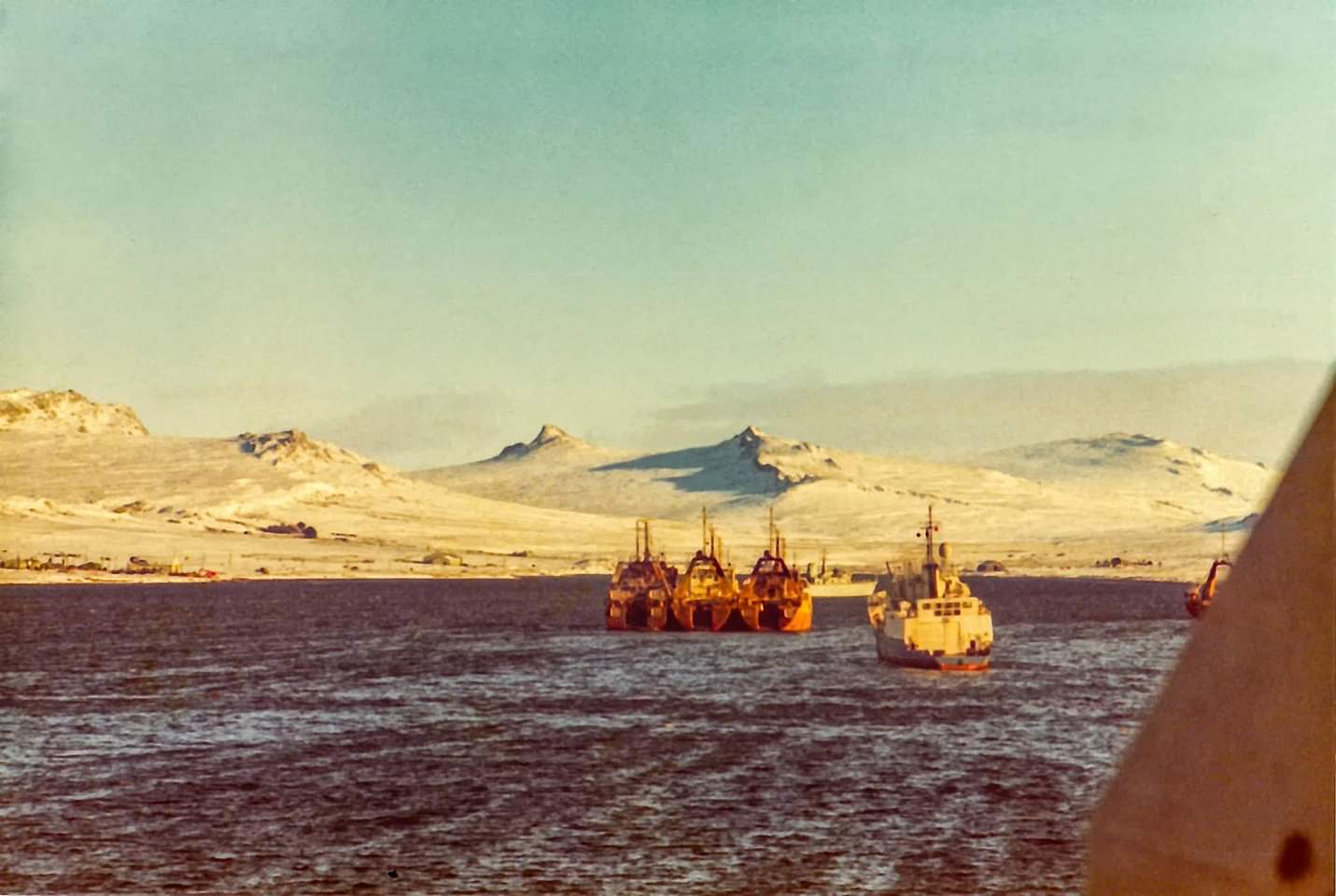
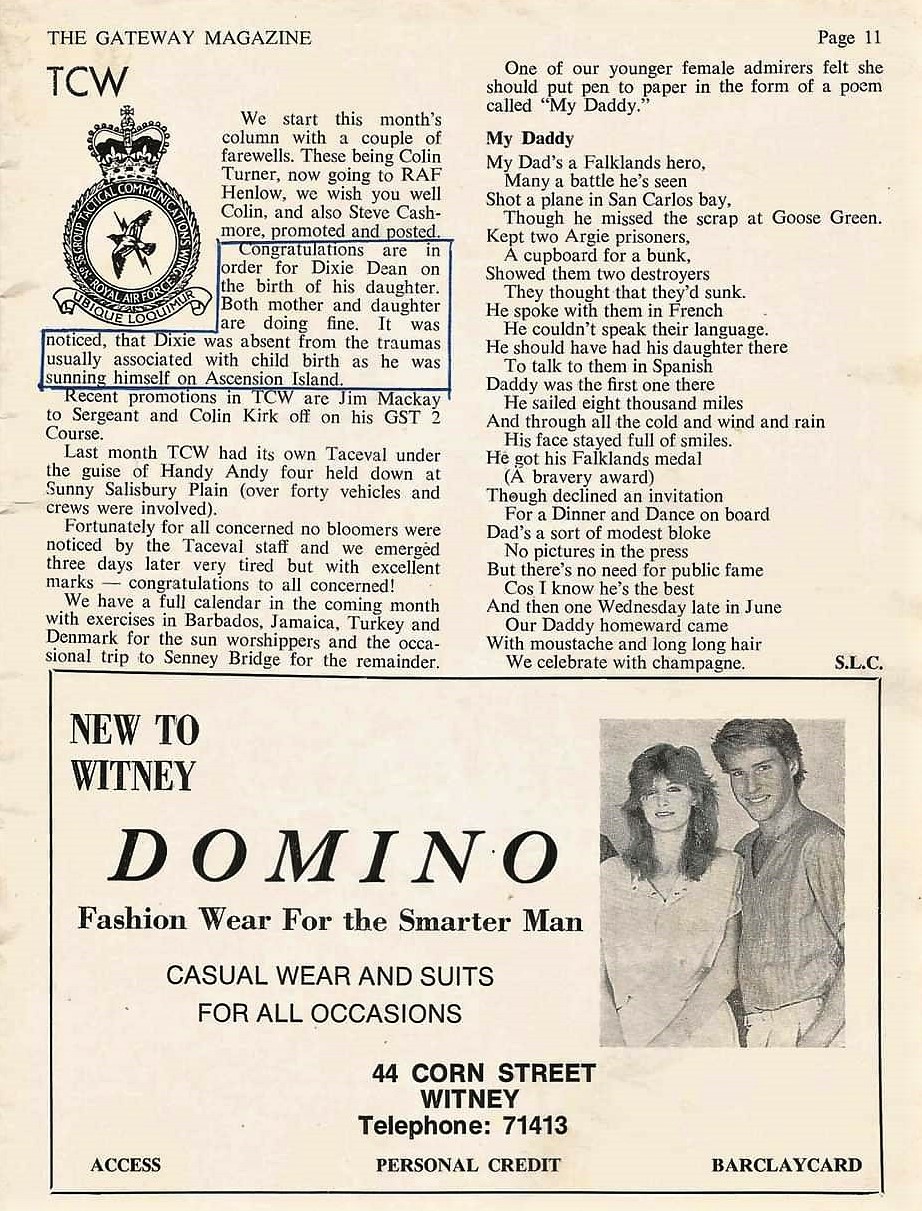
When the Task Force was dispatched, TCW deployed personnel on many of the ships which transiting to the South Atlantic, via Ascension Island, particularly the RFA and Merchant vessels. San Carlos was selected for the main landing, and 3 Commando Brigade (Brigadier, later Major-General, Julian Thompson) made the first landings on 21 May, without opposition. By 24 May the bridgehead was pronounced secure. The Argentine Air Force however, continued its attacks on ships in Falkland Sound causing damage and loss of life, including the sinking of HMS COVENTRY and the merchant ship ATLANTIC CONVEYOR, the latter taking to the bottom a valuable cargo of helicopters and stores needed for the land force, thus changing the task for TCW’s Forward Helicopter Units. Cpl Al Tomlinson, from TCW, was credited with shooting down an enemy aircraft with a General-Purpose Machine Gun, earning a “Mention in Dispatches”.
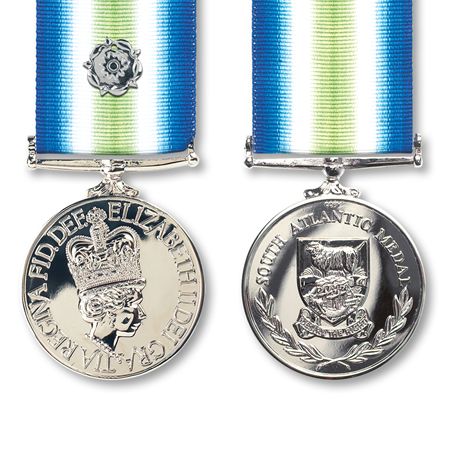
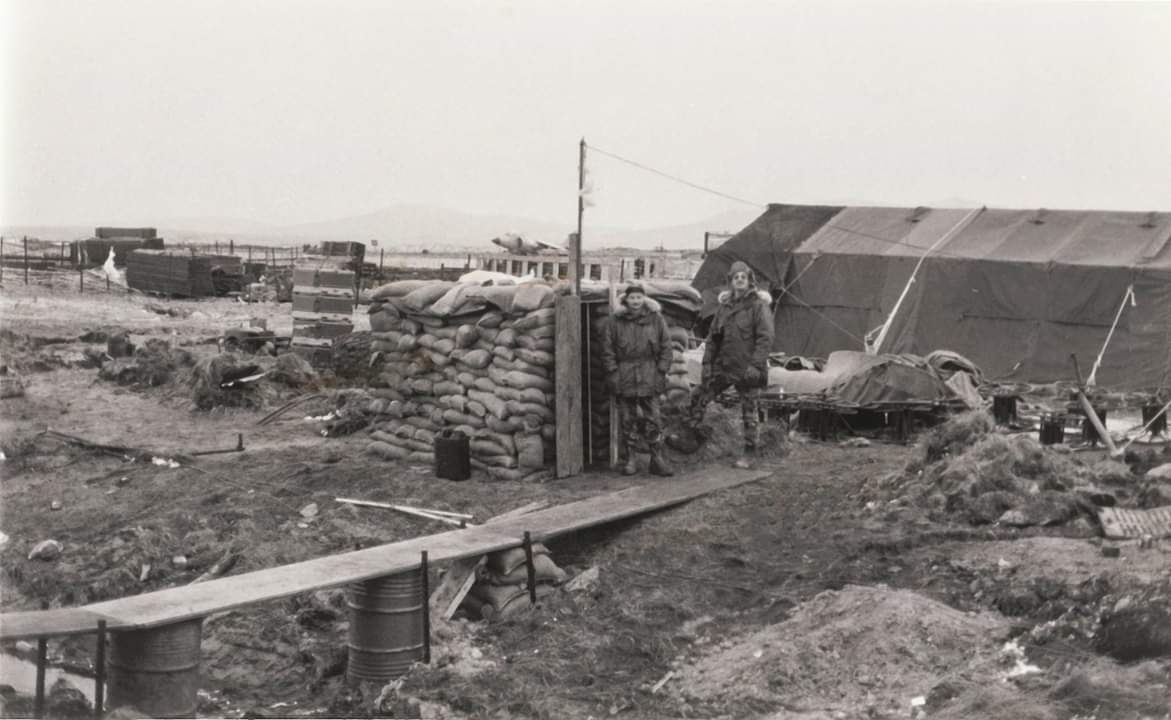
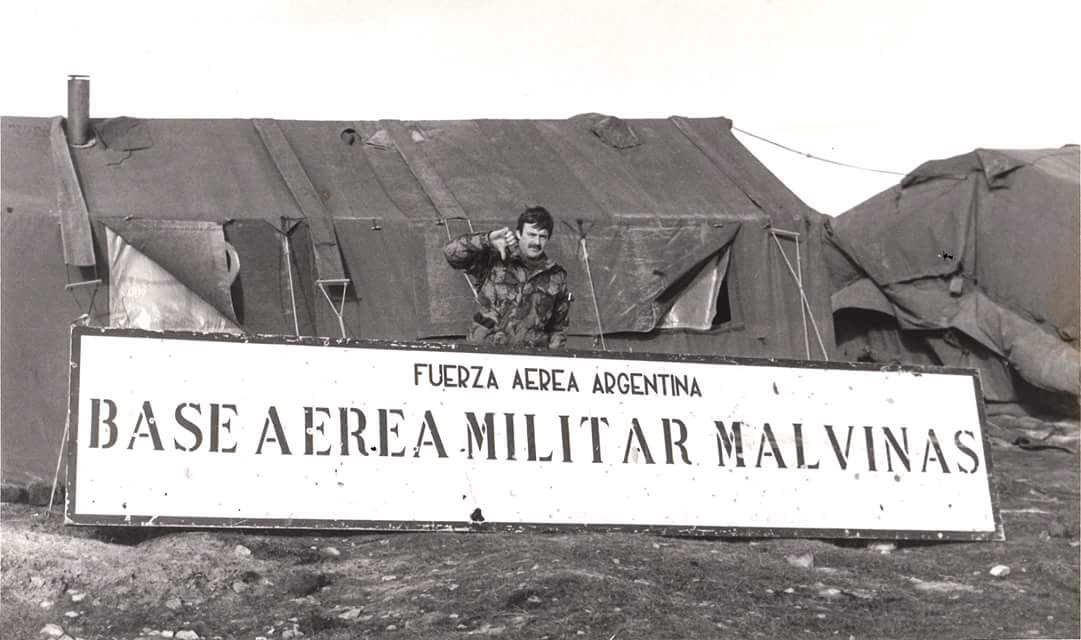
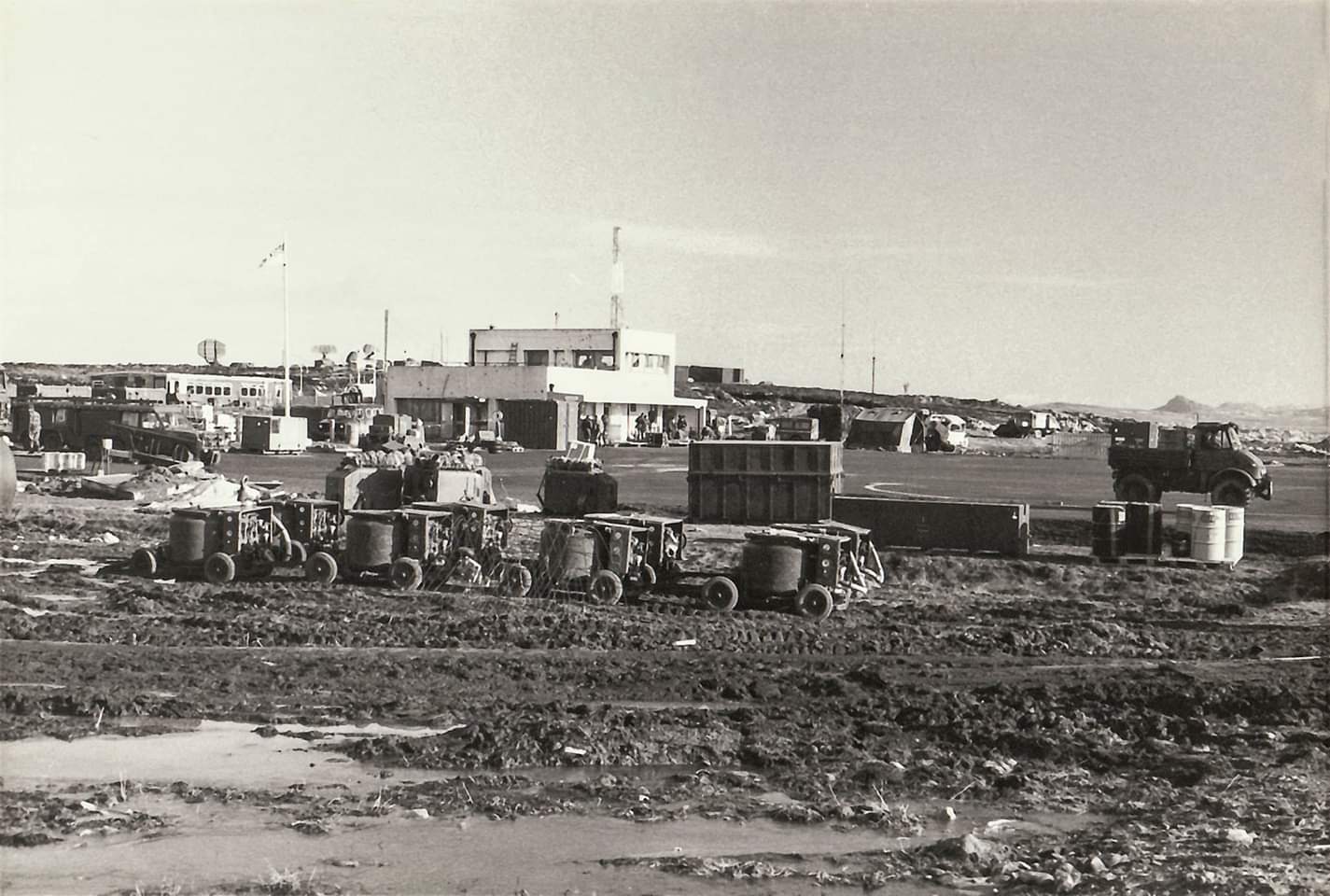
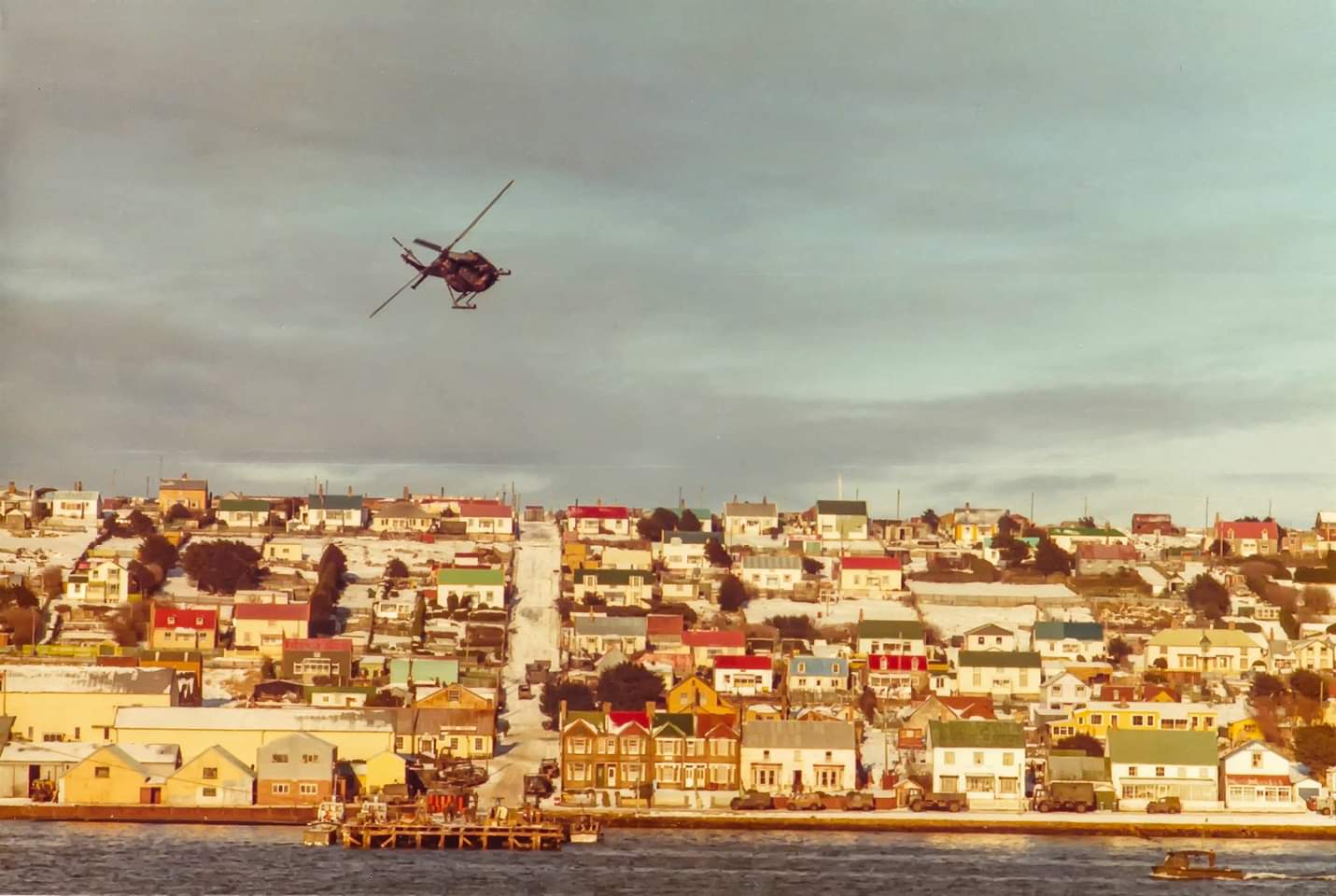
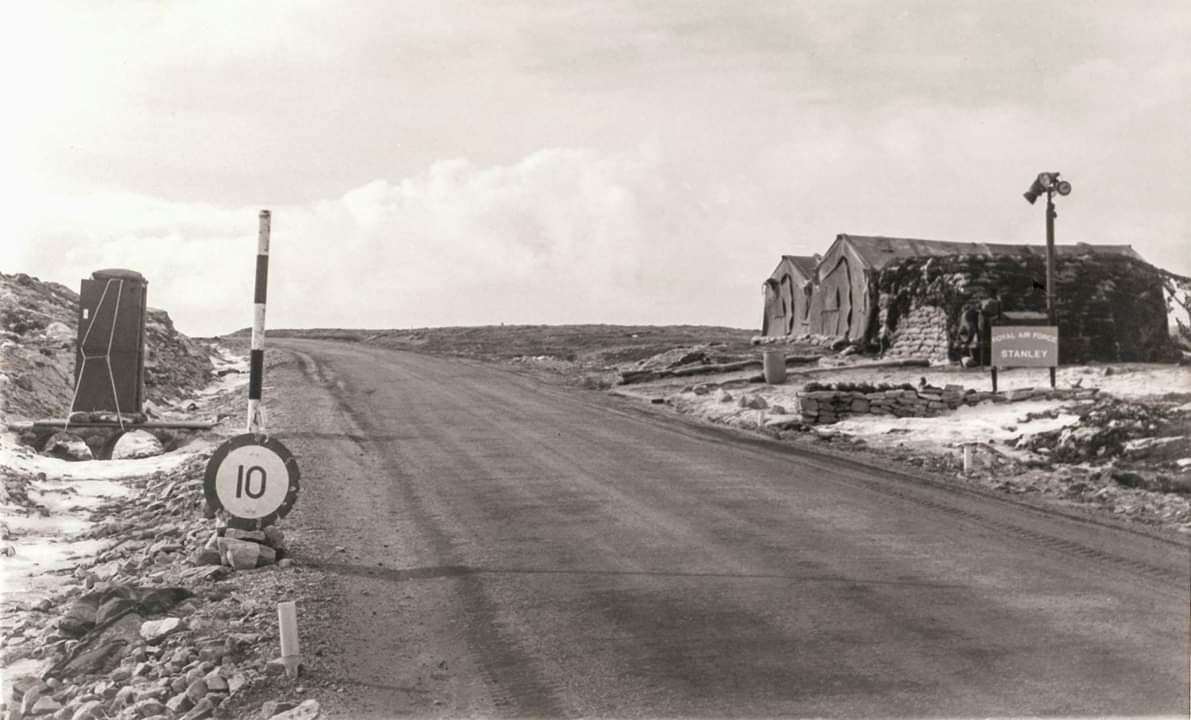
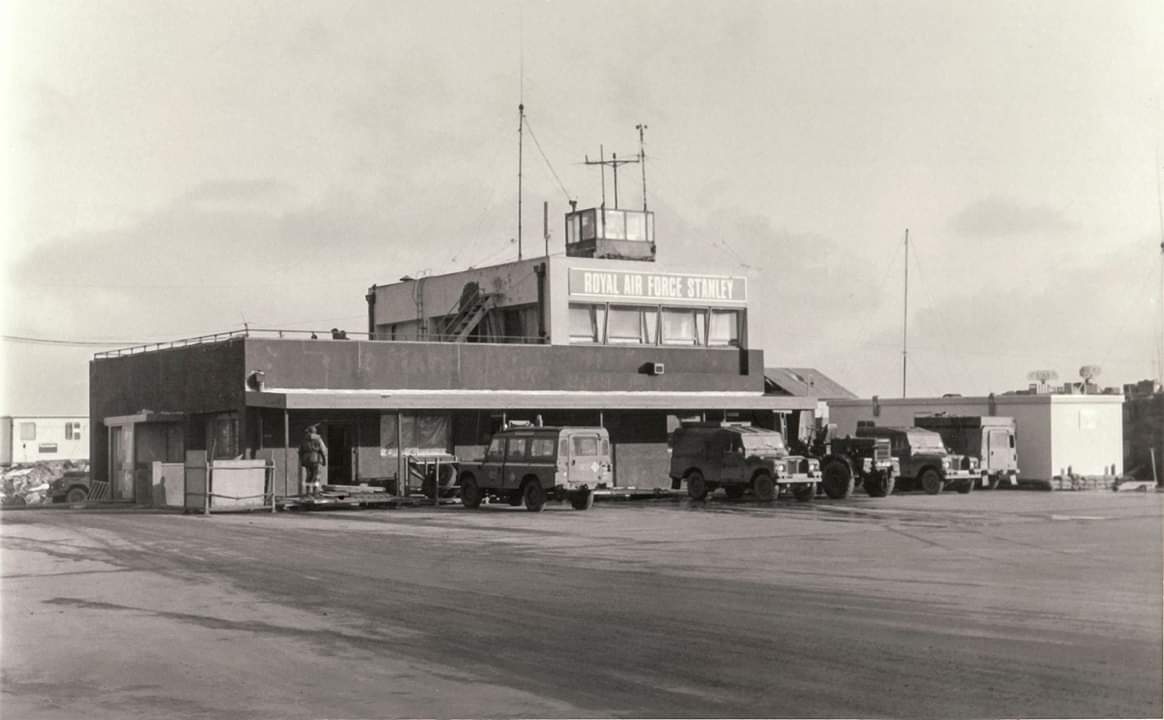
After fierce fighting, the capital city of Port Stanley fell on 14 June. 258 British subjects were killed restoring the islands to the government the residents desired. For some time after the conflict, TCW provided communications detachments in the form of Clansman tasking nets for the deployed helicopter force at Bomb Alley and Mount Kent, and with the Island retaken TCW then provided, Flight watch, long haul HF communications and Airfield Navigational Aids from Port Stanley.
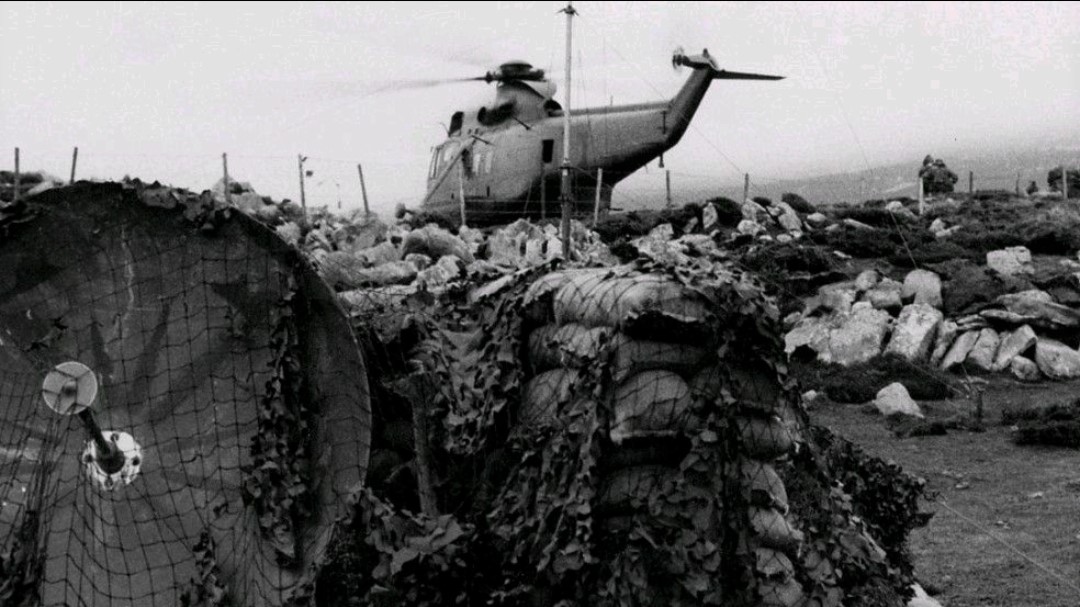
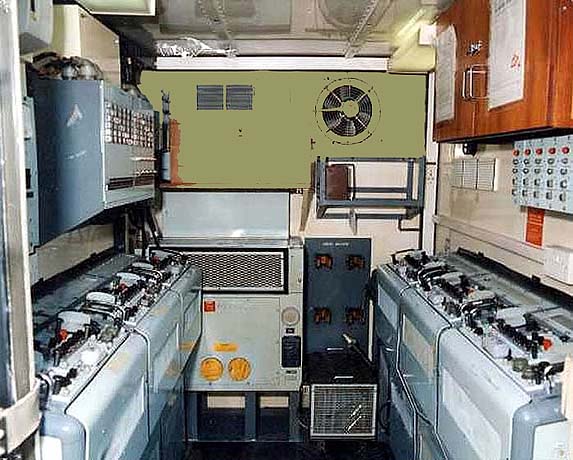
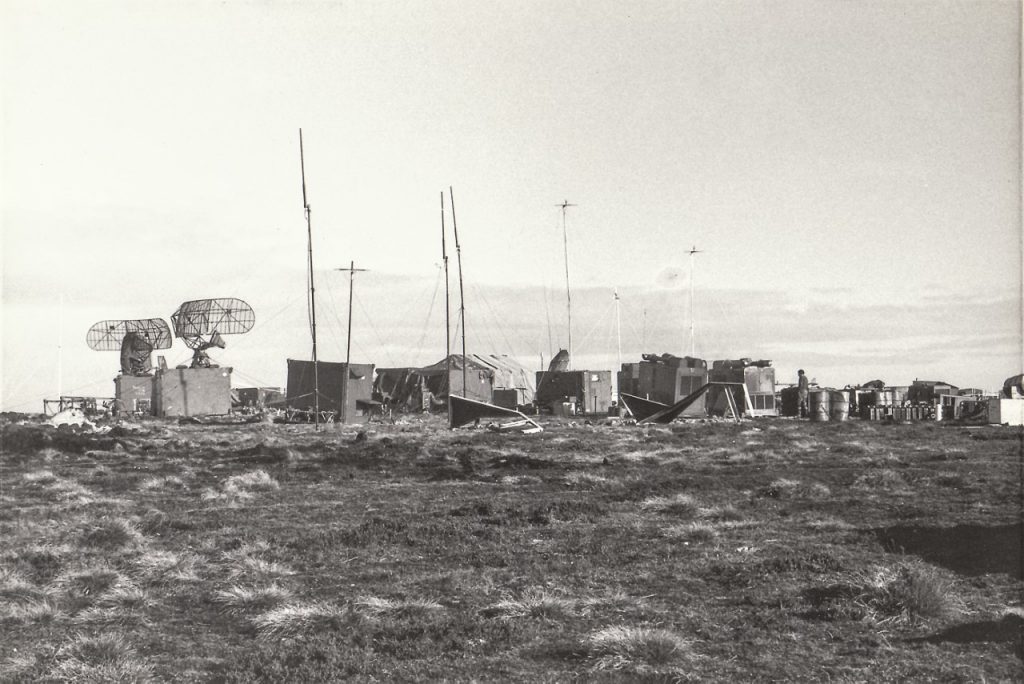
Argentine Watchman radar and 26100 cabins Falklands
Surrender
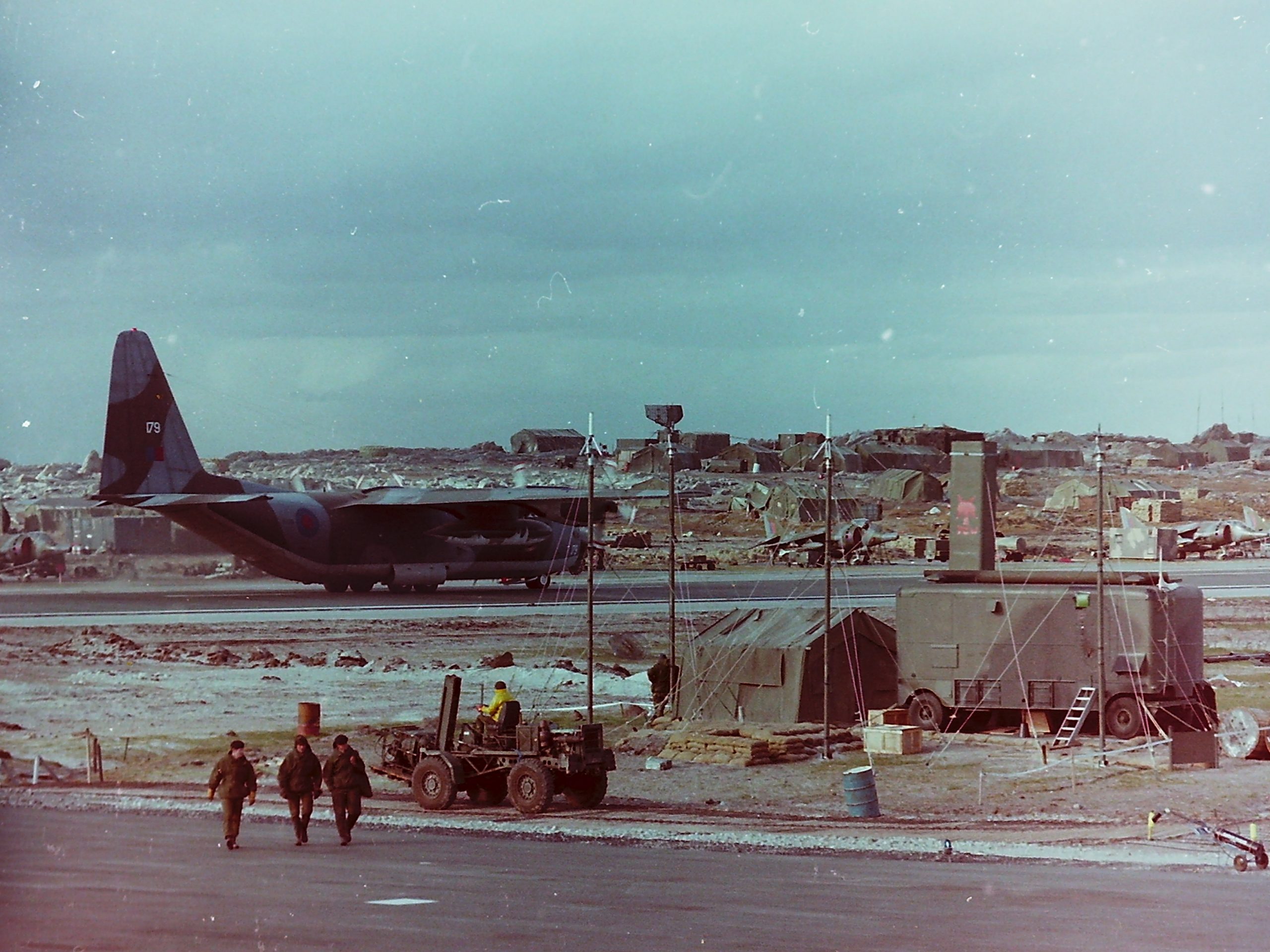
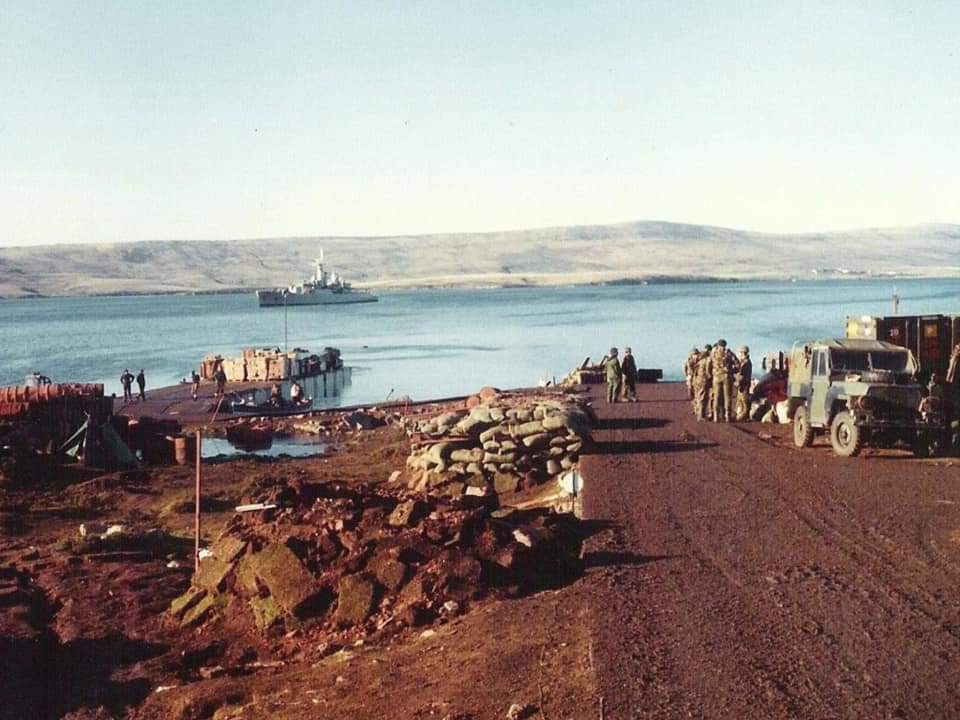
Operation Corporate Airhead, TCW TAOC and Navaids, Falklands 1982
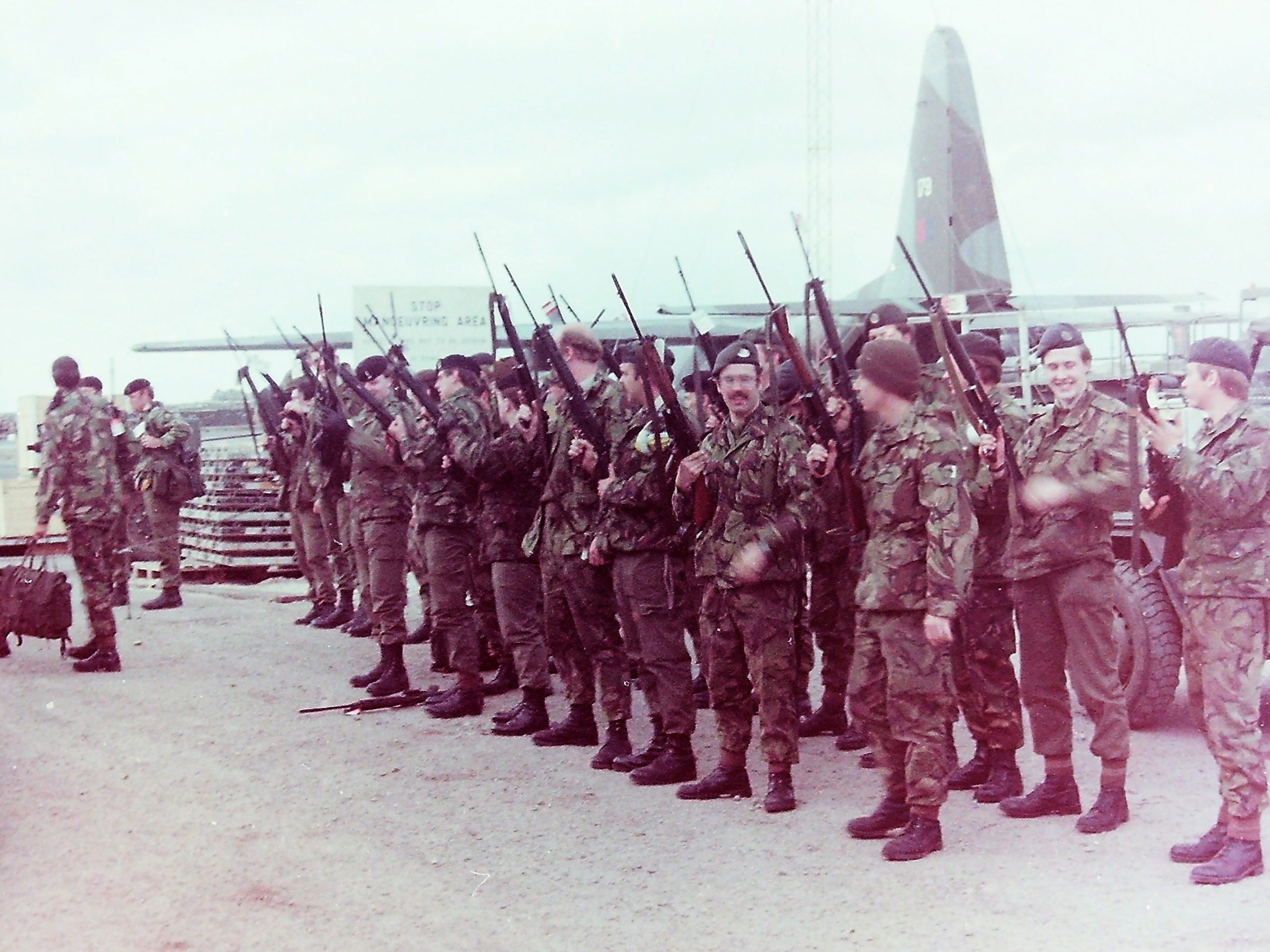
TCW and 244 Unload, Operation CORPORATE, Falklands
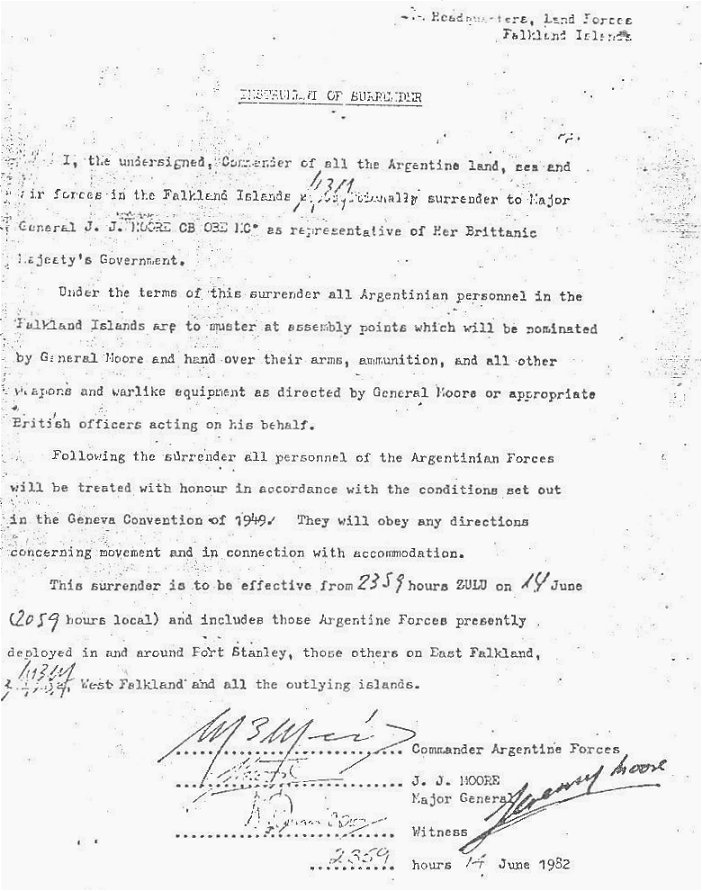
When the Argentine commander surrendered to the British on 14 June 1982 his occupation of the Falkland Islands had lasted for 74 days, shorter in the case of South Georgia, which was liberated first by the British. This short period interrupted 142 years of rule by Britain of the Falkland Islands as a Crown Colony. The Argentine forces invaded the Falklands on 2nd April and surrendered on the 14th June 1982. The British military was thus both swift and complete. It was achieved because of the combined Navy, Army, RAF and Merchant Navy Task Force carried out a well-coordinated joint operation and because of the skills courage of the members of the British forces.
The RAF deployed a considerable part of its front line strength in support of Operation Corporate and yet again showed that airpower is essential in any military operation and that in order to project the use of this formidable capability, specialist enablers, communications and C2 are essential in its effective use.