The Cold War and the Tactical Signals Units
The ' Cold War' 1948 - 1990
The Cold War and the development of Tactical Communications Units
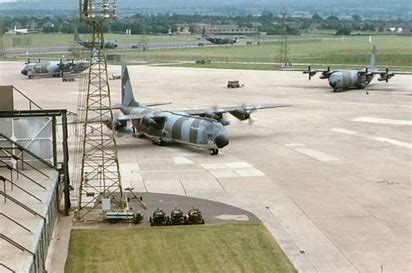
After the ill-fated Suez Crisis in 1956, Operation Musketeer, the British government and the RAF recognised the need for dedicated Command and Control capability – C2 – and the need to provide deployable support to air operations in ‘Out of Area’ locations. As the US had acknowledged that they broke into British cryptographic systems during the deployment, it was deemed imperative that British Forces had their own secure communications.
Development of Tactical Signals Units In 1962
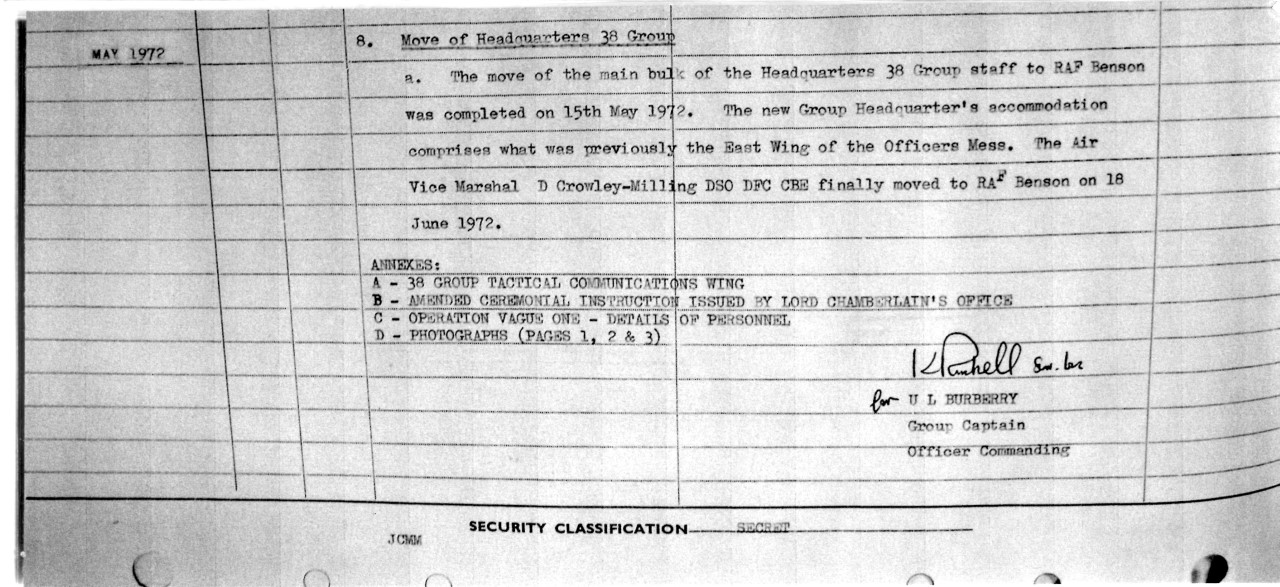
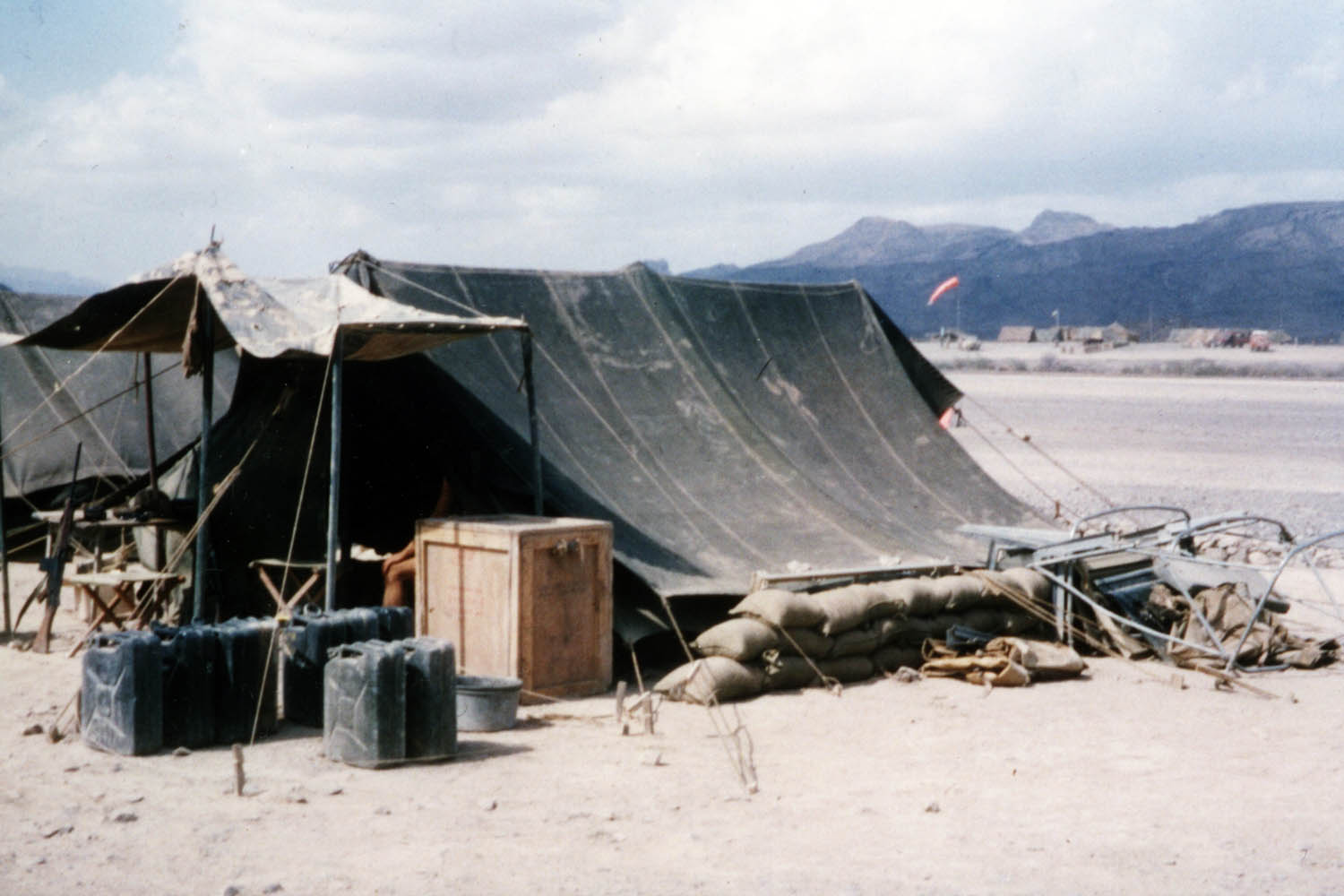
The 38 Group Support Unit was formed to support the UK based Expeditionary Forces within the RAF. It was based at RAF Odiham, with the responsibility for all areas of operational deployment, including a Signals element. In December 1964, the Support Unit moved to RAF Tangmere with the addition of 180 personnel from 638 Signals Troop. As a direct result of the defence cuts in the early seventies, 22 Tactical Signals Unit and 6 Tactical Signals Unit was disbanded, consequentially 38 Group Support Unit assumed global responsibility for the RAF’s expeditionary signals.
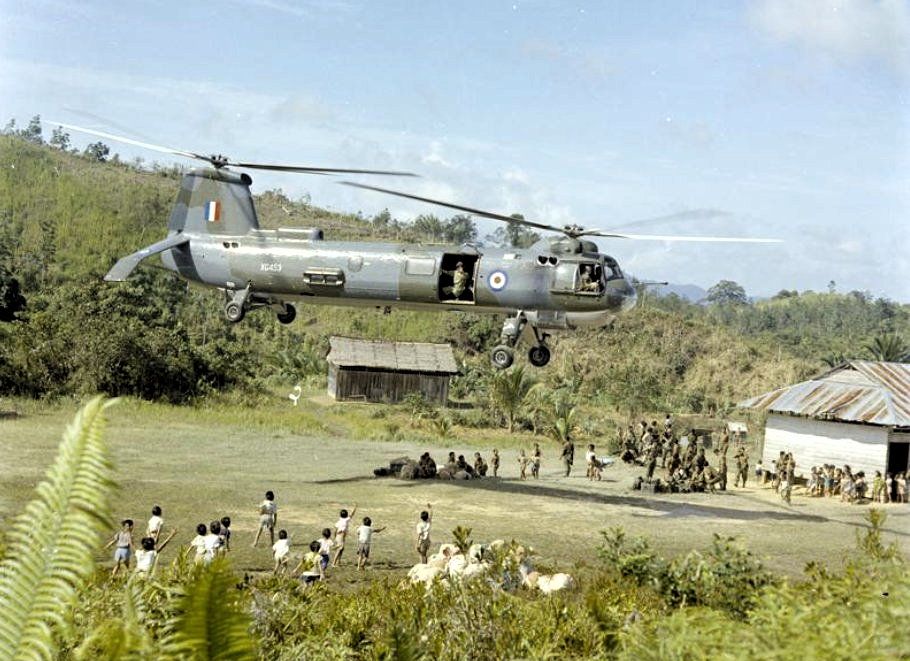
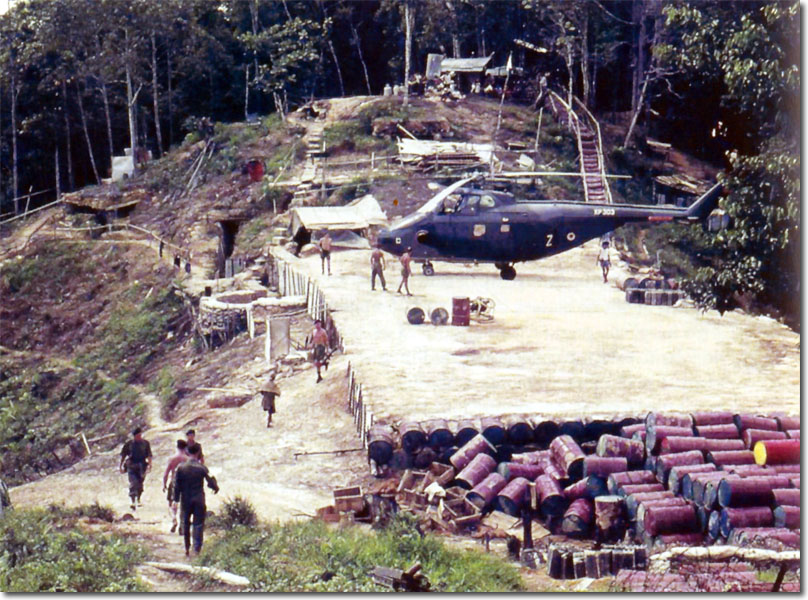
Following WWII, 6 Tactical Signals Unit had been based in the Far East and Singapore, having been involved in both the Malaysian and Borneo conflicts.
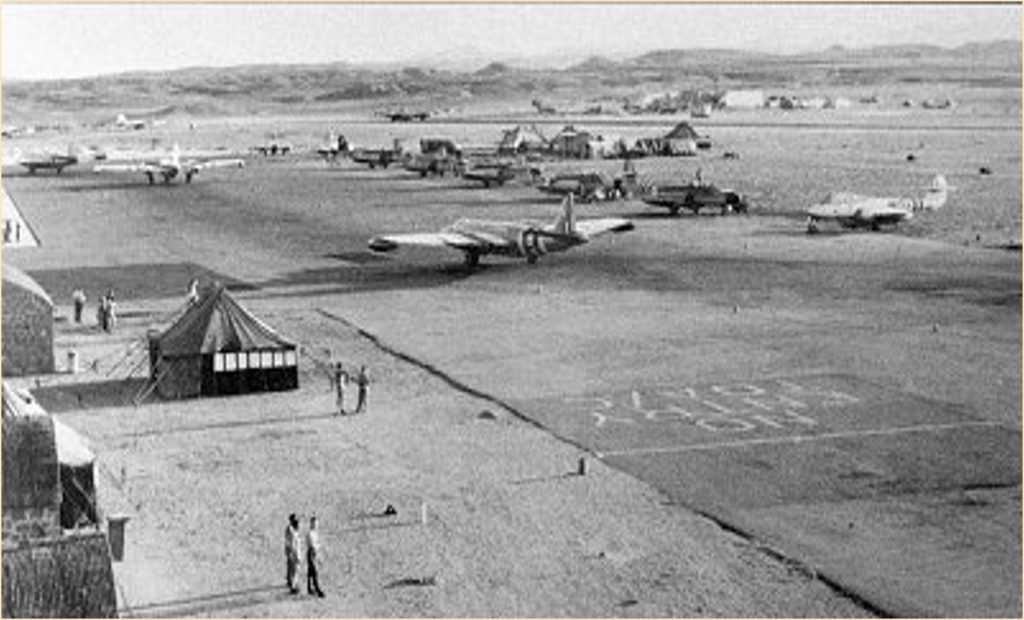
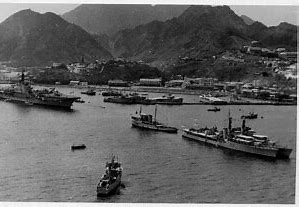
22 Tactical Signals Unit had been based in the Middle East, and had spent time at Steamer Point and Khormaksar, during the Aden Emergency.
Since early RAF deployments, it had become apparent that Deployable communications played a significant part of the RAF’s capability, and in 1965 the 38 Group Support Unit re-organised to consist of separate Admin and Signals Support Units, collectively known as No. 50 Tactical Signals Unit and responsible for the delivery of communications support within the 38 Group.
50 Tactical Signals Unit
50 Tactical Signals Unit was organised into three flights:
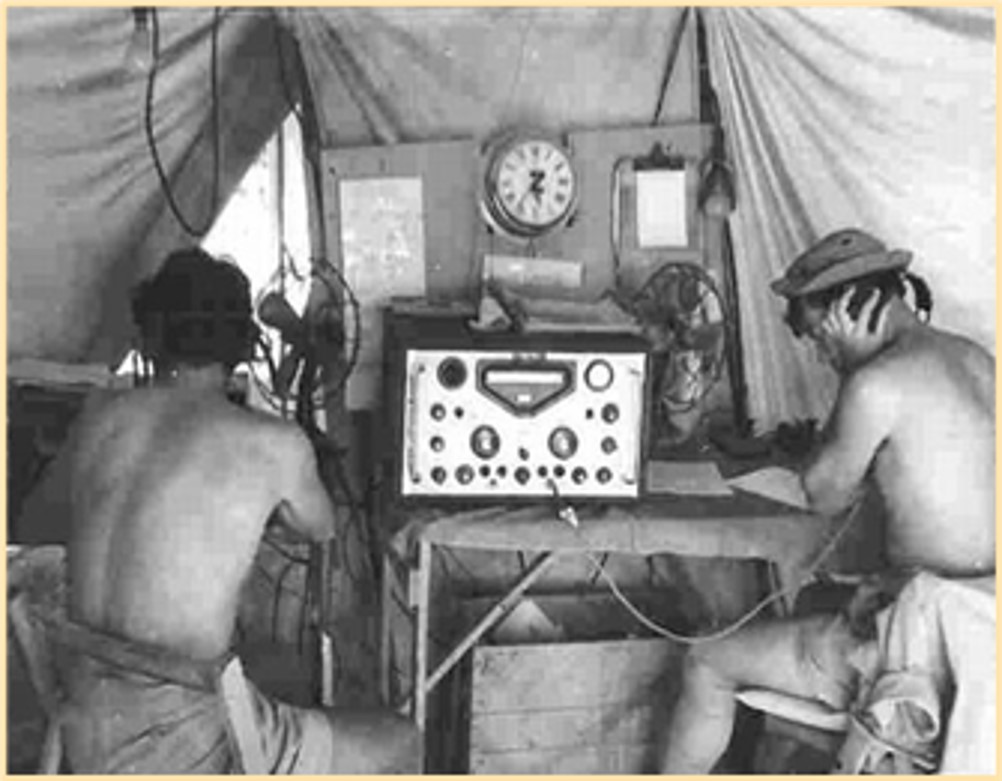
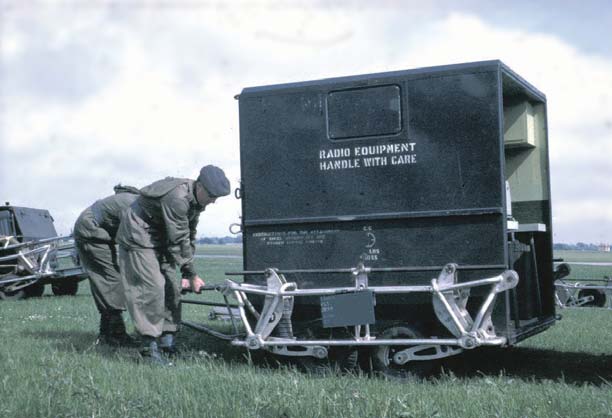
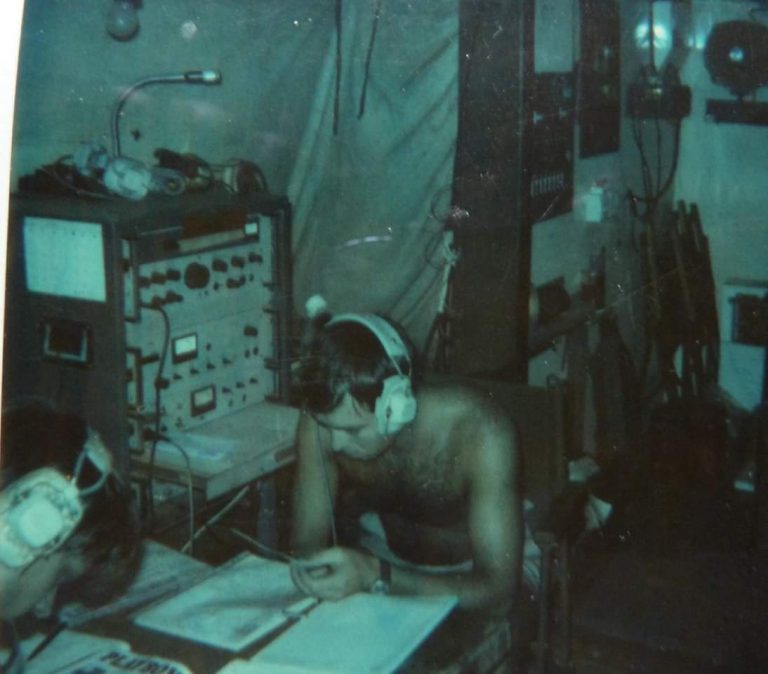
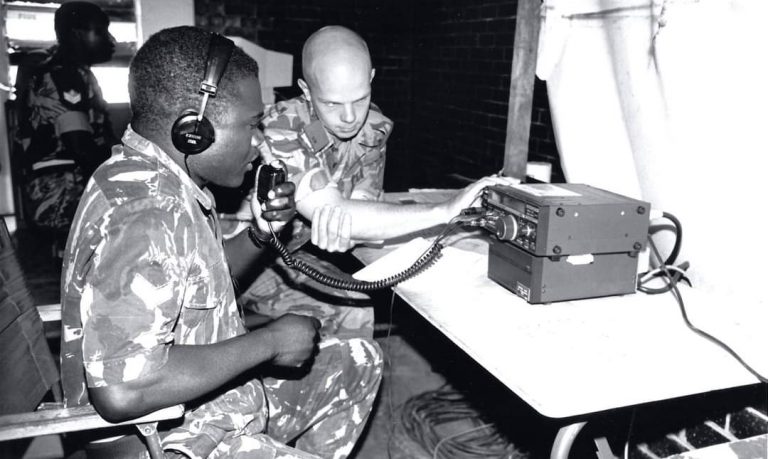
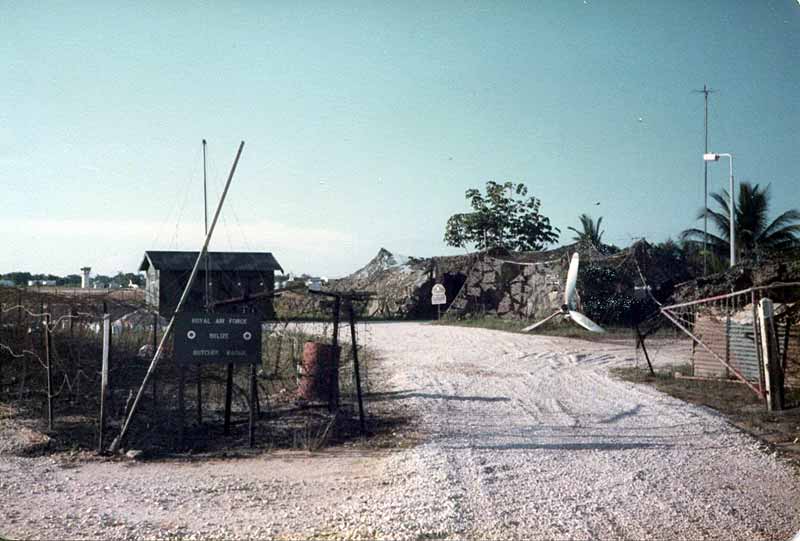
Long Range Communications Flight, Base Communications Flight and Brigade Air Support Operations. Long Range Communications Flight covered long haul communications back to UK, using a mixture of HF communications cabins, ARC radios, KWM2A, 30Li and RA17 Radios. They normally deployed to exotic locations overseas – ‘jollies’ – such as Ascension, Thailand and Melbourne, Australia. They were usually short of manpower and were often supplemented with Base Communications Flight personnel.
Base Communications Flight handled the airhead local area communications such as Flight Watch for the tactically deployed aircraft and localised communications on airfields.
Brigade Air Support Operations were responsible for supporting Airborne and Air Mobile Brigades and carried out airfield communication between aircraft and ground Units. Nine members of this team were parachute qualified and often jumped with the Brigade Air Liaison officer as communications support. Candidates had to serve on the Unit for at least a year before applying for the role and the competition for these positions was fierce – in the five years Brigade Air Support Operations existed, only 35 members were parachute trained.
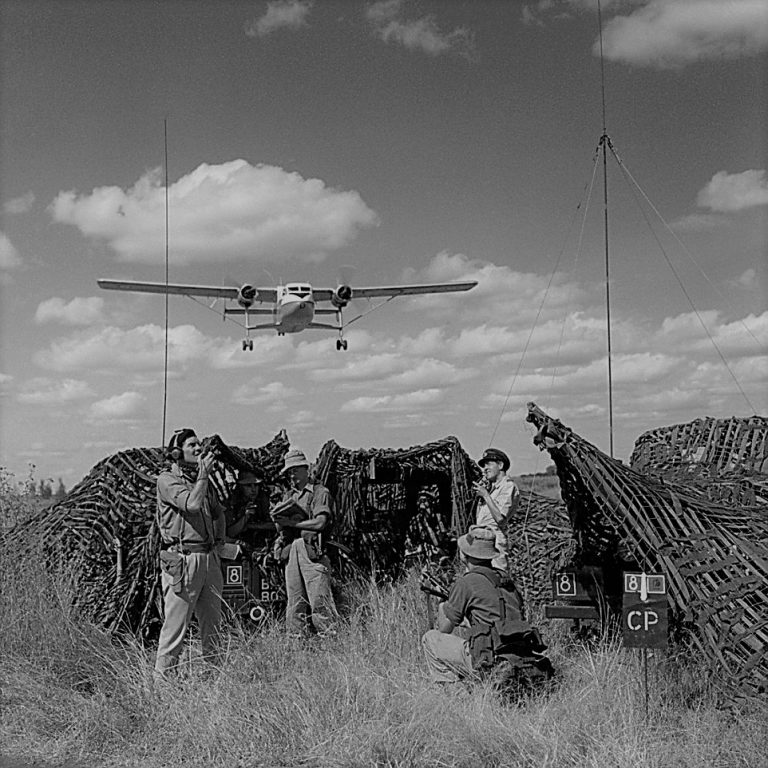
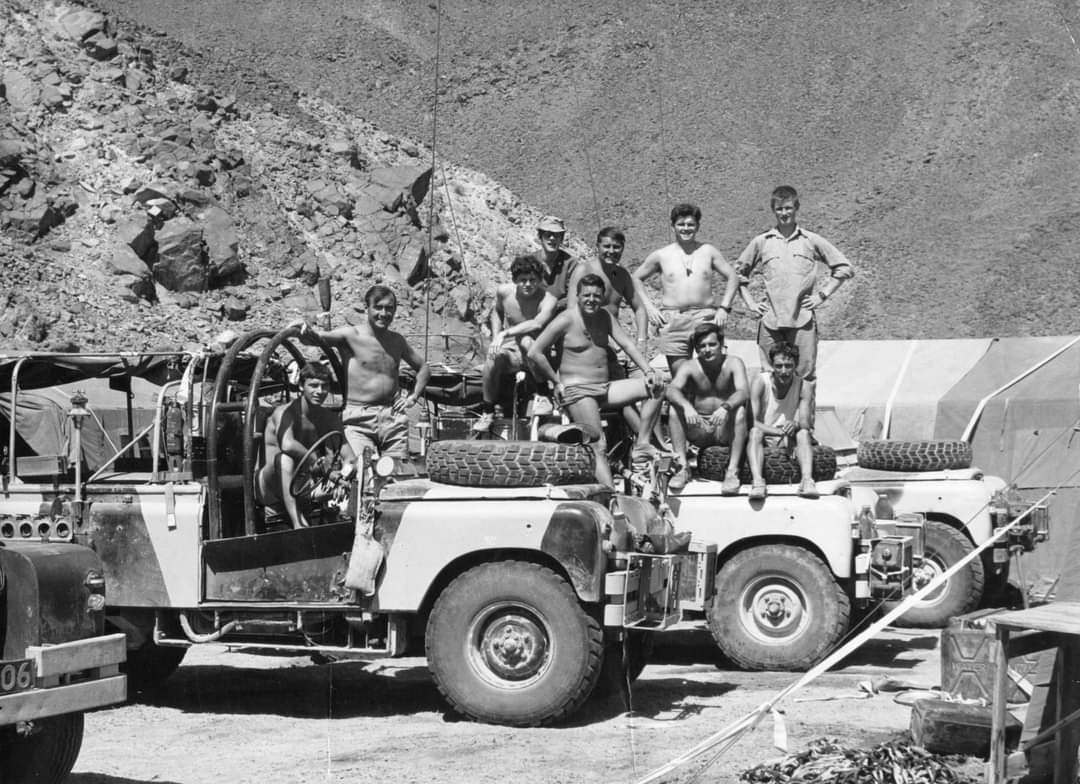
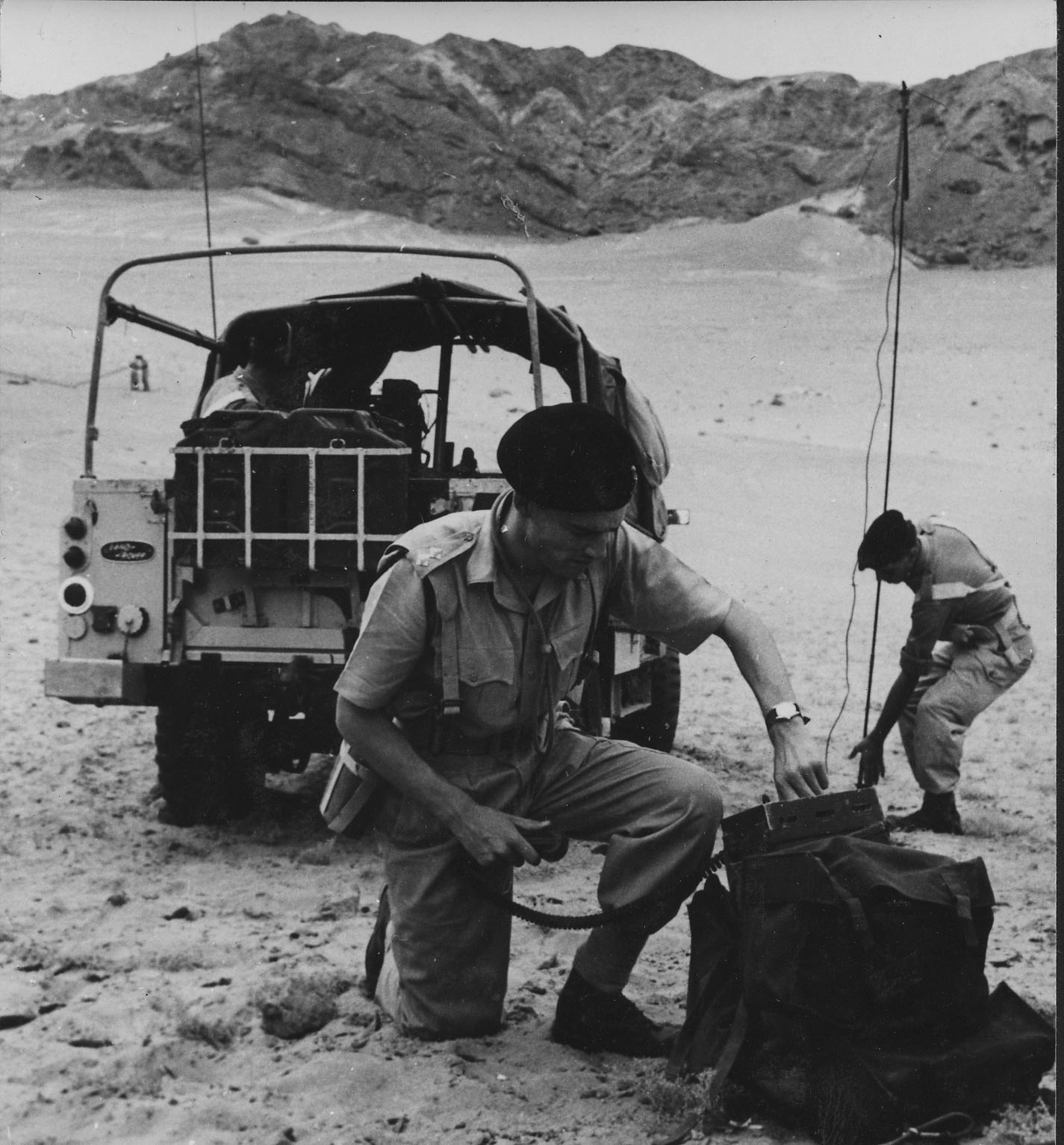
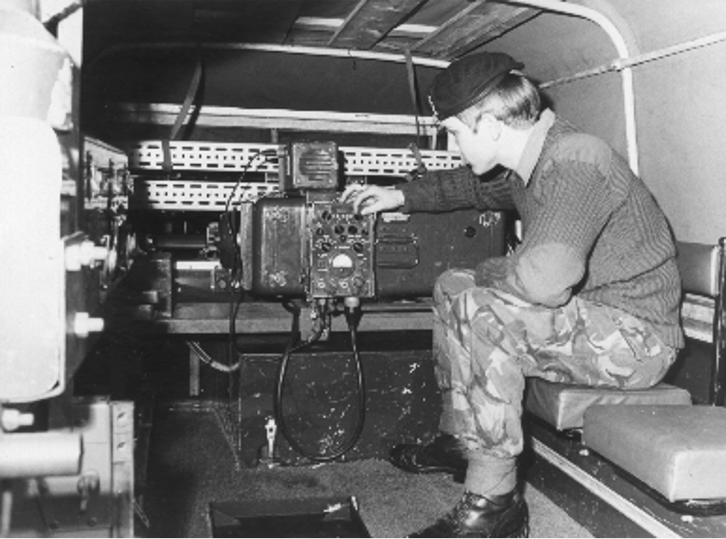
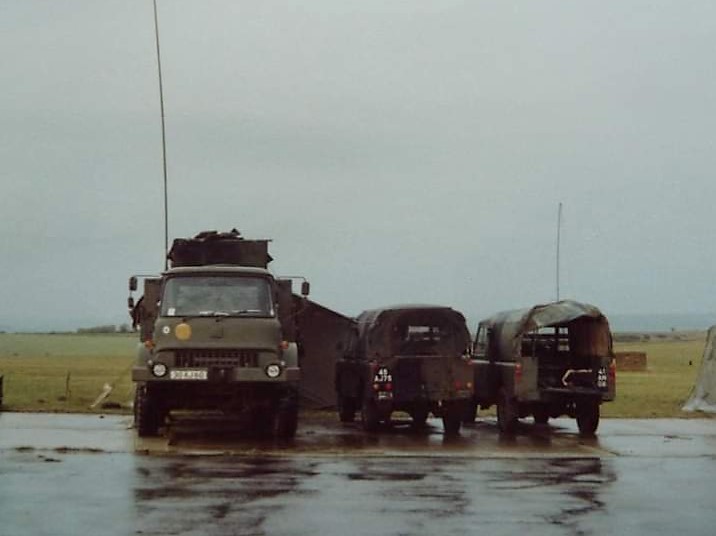
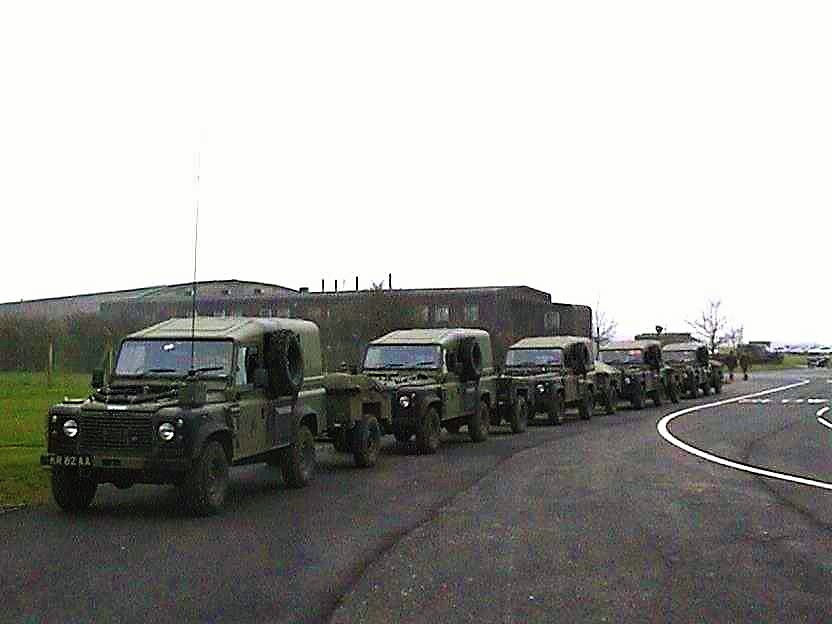
In addition, elements of 38 Group were also allocated to 604 FACS, 24 Air Portable Brigade, using Larkspur C11/R210 and A13 HF radios, A43 UHF radios. All of which were installed in LWB Landrover and Trailer combinations.
Tactical Communications Wing.
During the 1960s and 70s, to meet changing requirements, there were several amalgamations and re-organisations across the RAF, culminating in the forming of Tactical Communications Wing (TCW) in 1969.
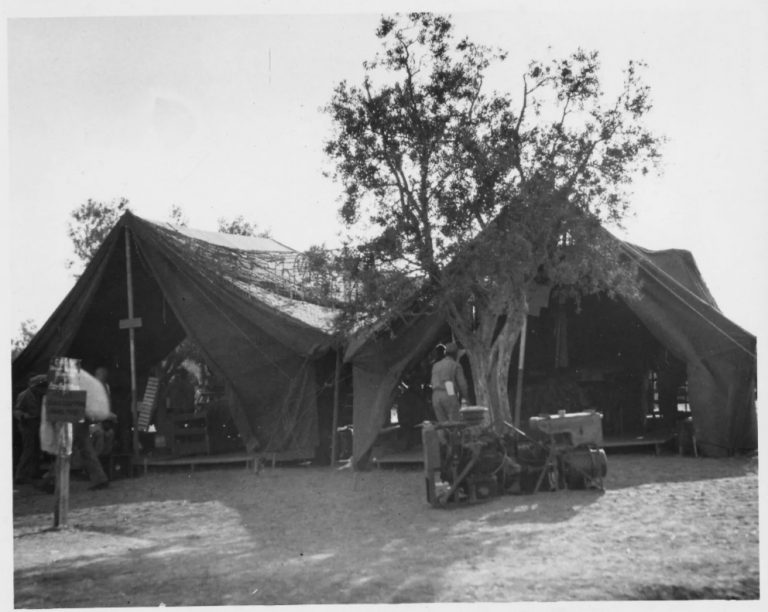
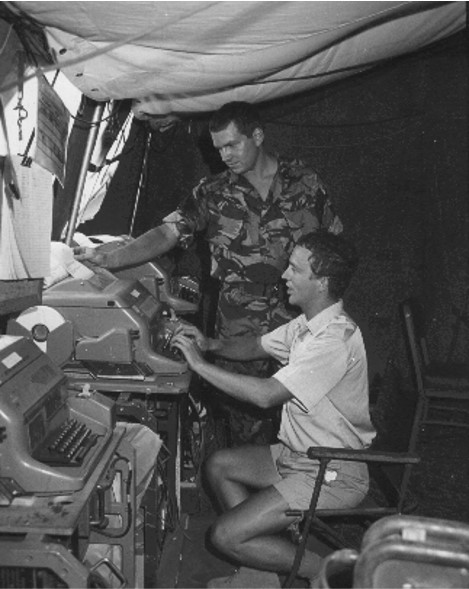
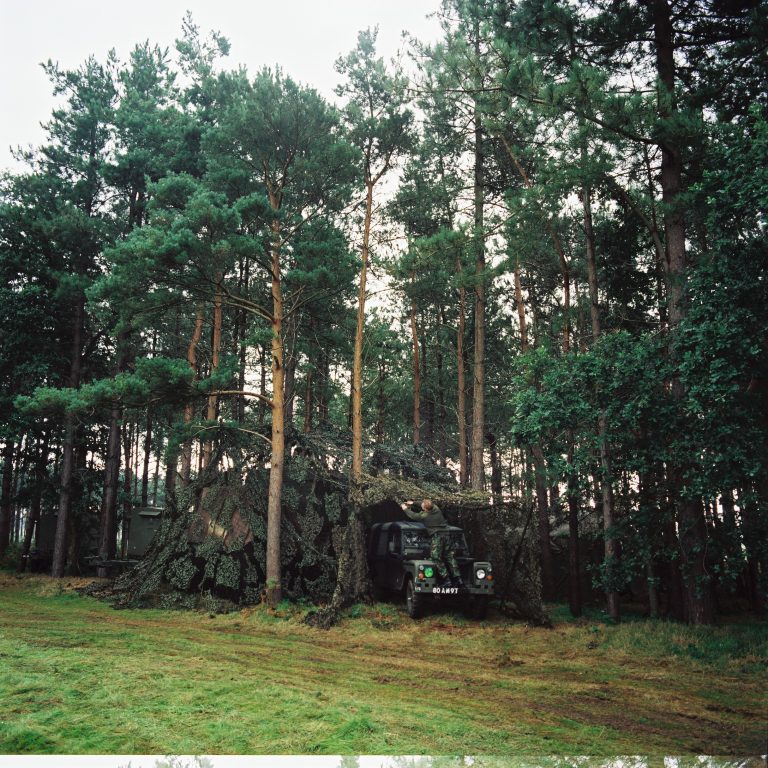
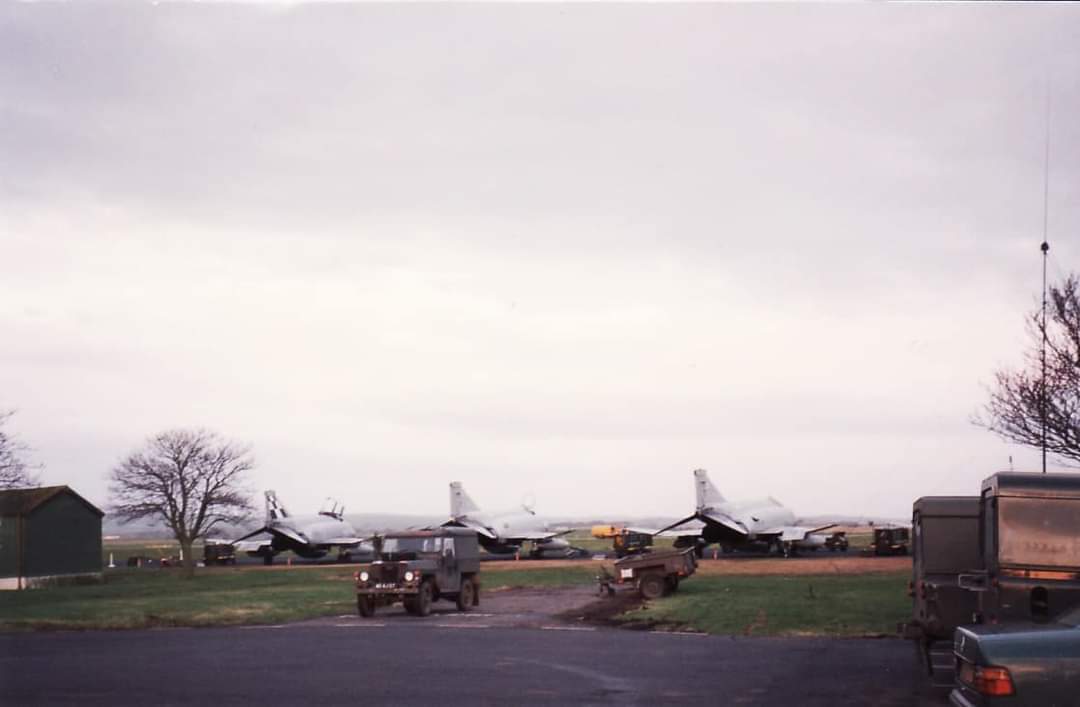
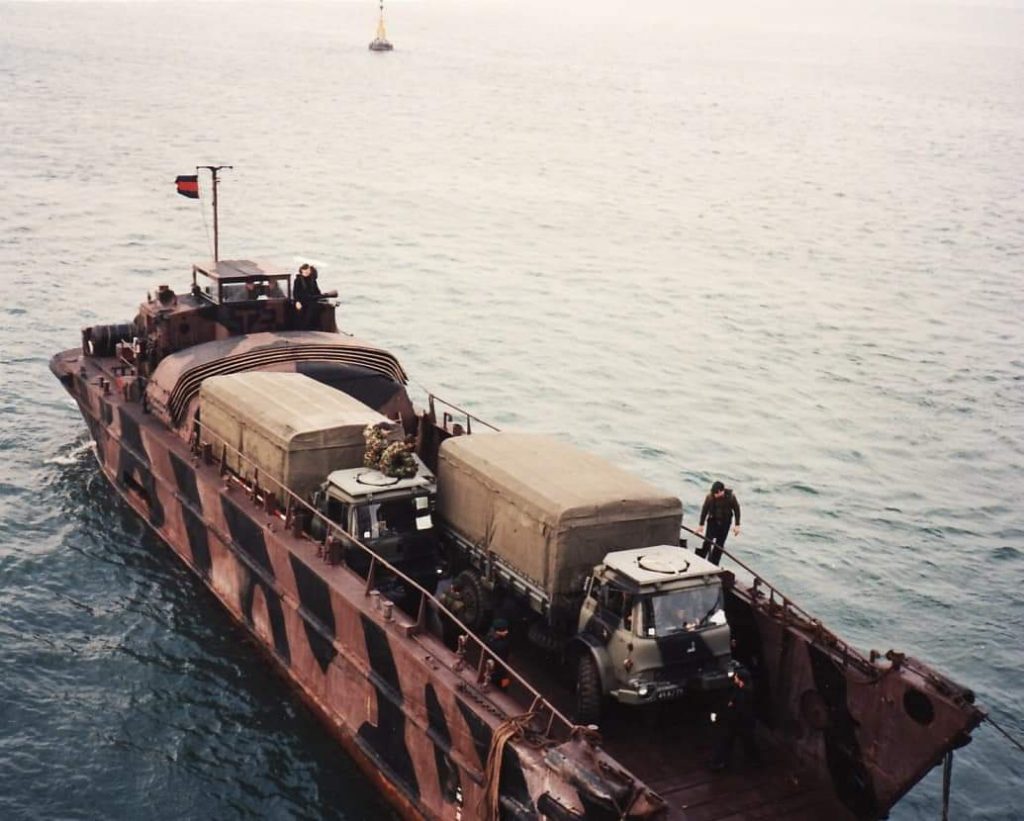
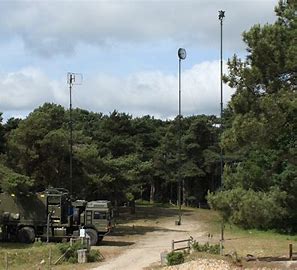
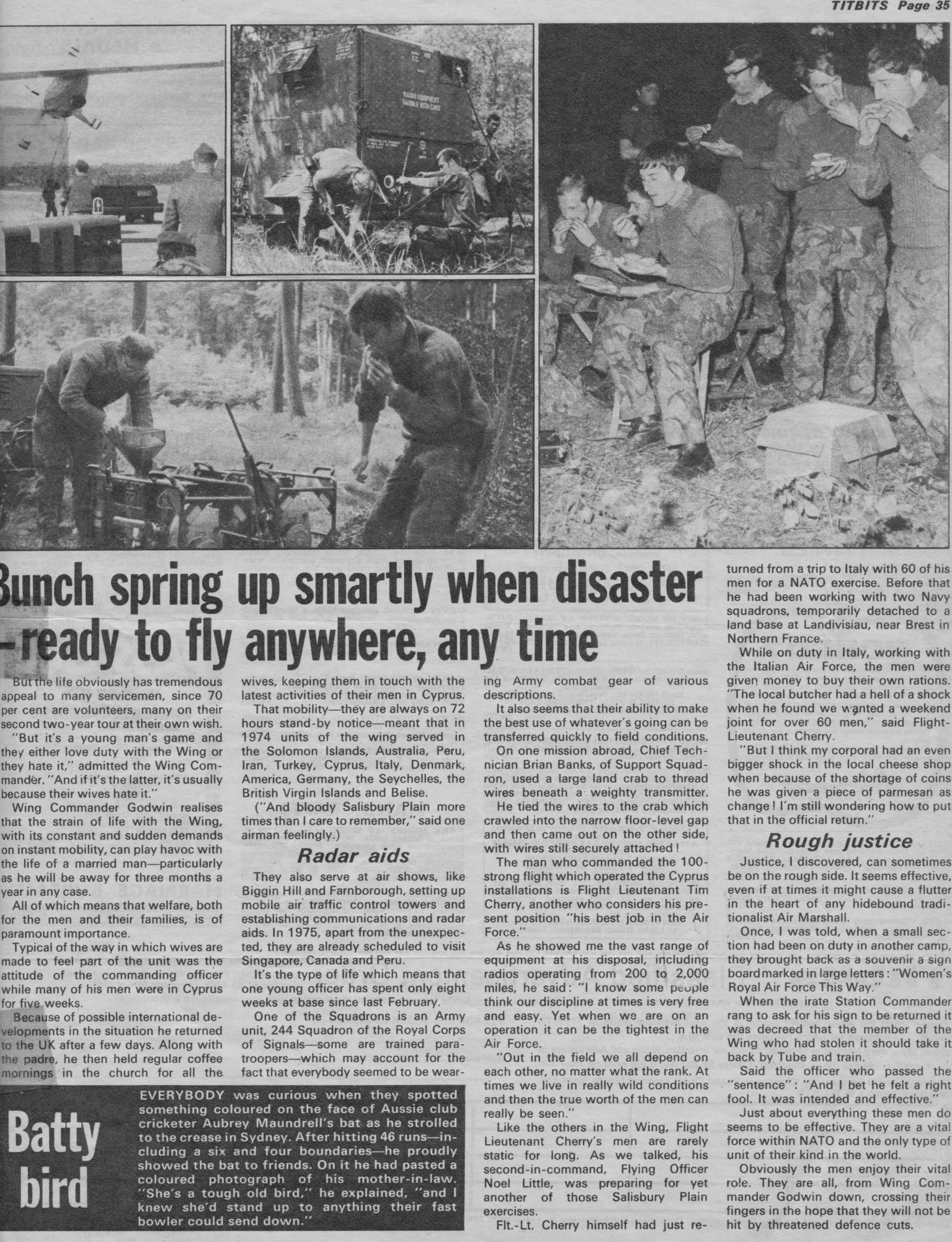
Utilising Larkspur, Clansman, and long-haul HF radio equipment, TCW’s remit within the Cold War was to support elements of the UK’s Joint Reaction Force. They used Fitted for Radio (FFR) vehicles to provide dedicated tasking nets. These were classed as high priority targets, so they were constantly on the move to prevent being ‘direction found’ and to keep up with the battlefield. The Unit remained at a high readiness state to support ‘early entry operations’ – for example to secure a landing point or to provide an initial military capability. TCW also operated and maintained transportable tactical communications and information systems to support RAF squadrons and units deployed worldwide on UN operations or as part of NATO’s Reaction Forces. TCW was split into two areas: Base Support Squadron and Field Communications Squadron.
Base Support Squadron provided operational planning, administrative services, and engineering support. It also provided the personnel and equipment to deploy and operate the full range of airfield navigation aids plus generators. They held 250 generators and one of the large communication security accounts in the RAF, plus 300 vehicles and trailers and 2 Harley Davidson motor bikes.
Field Communications Squadron provided the manpower to meet the deployed operational and exercise commitments in addition to a HQ flight. It was itself split into four sections: Allied Command Europe Mobile Force (AMF), UK Mobile Force (UKMF) and Tactical Air Traffic Control Flight (TACATC).
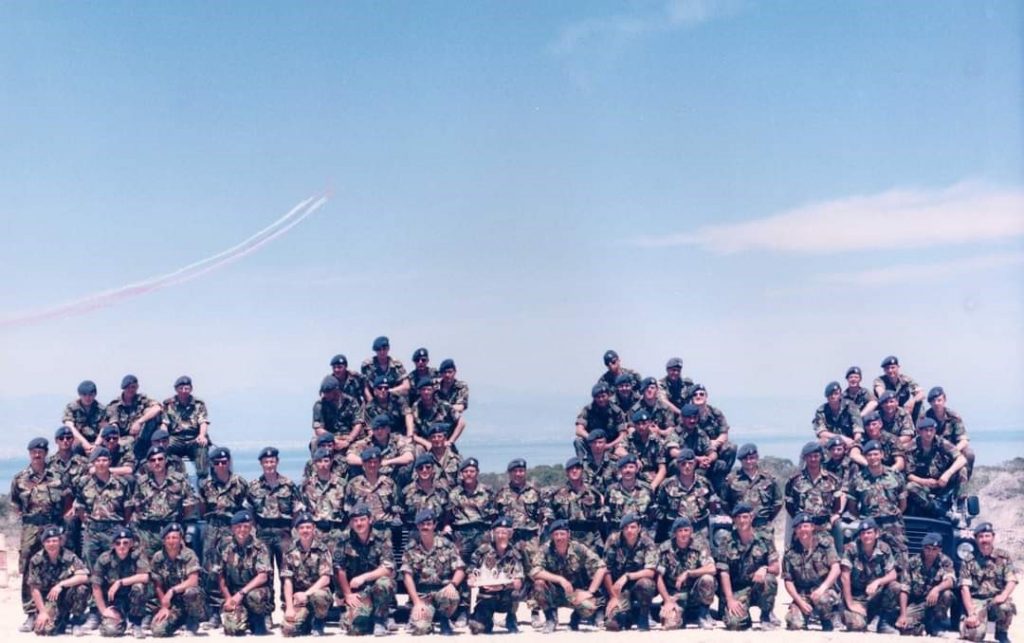
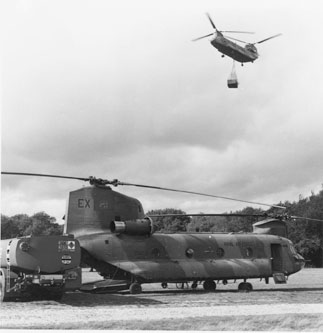
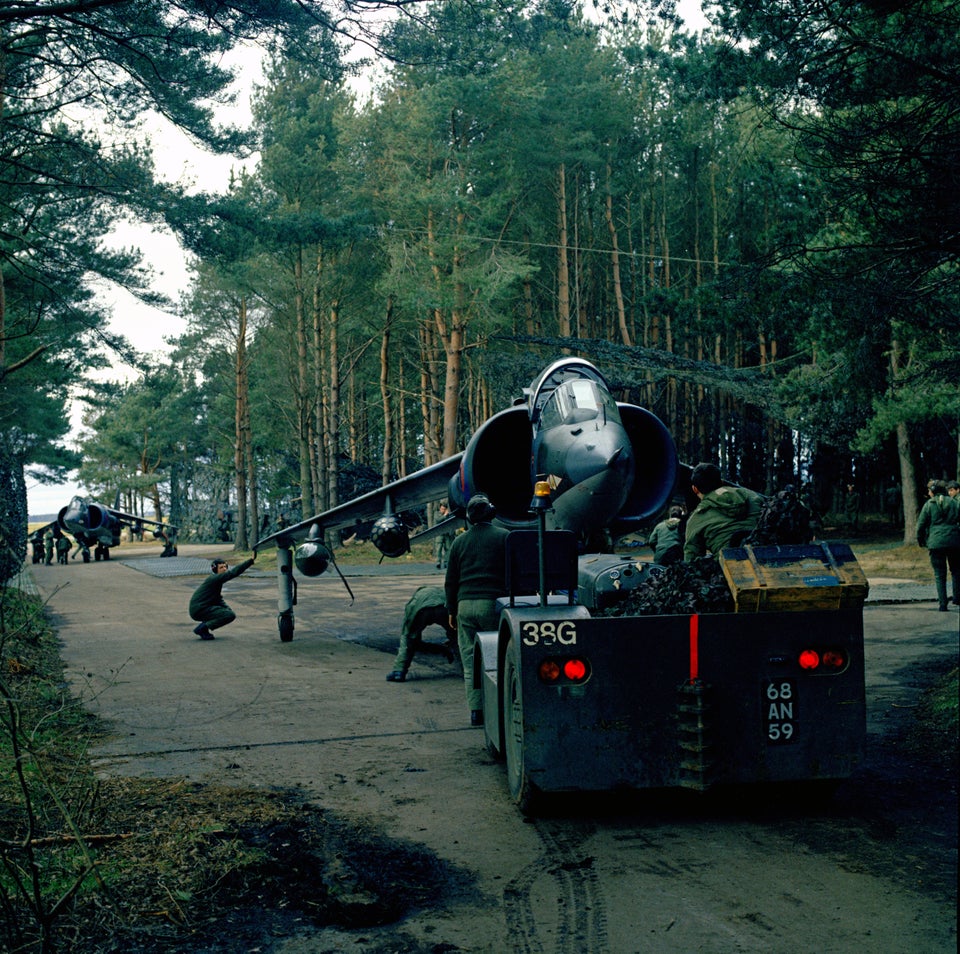
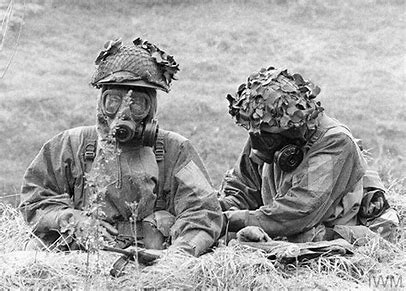
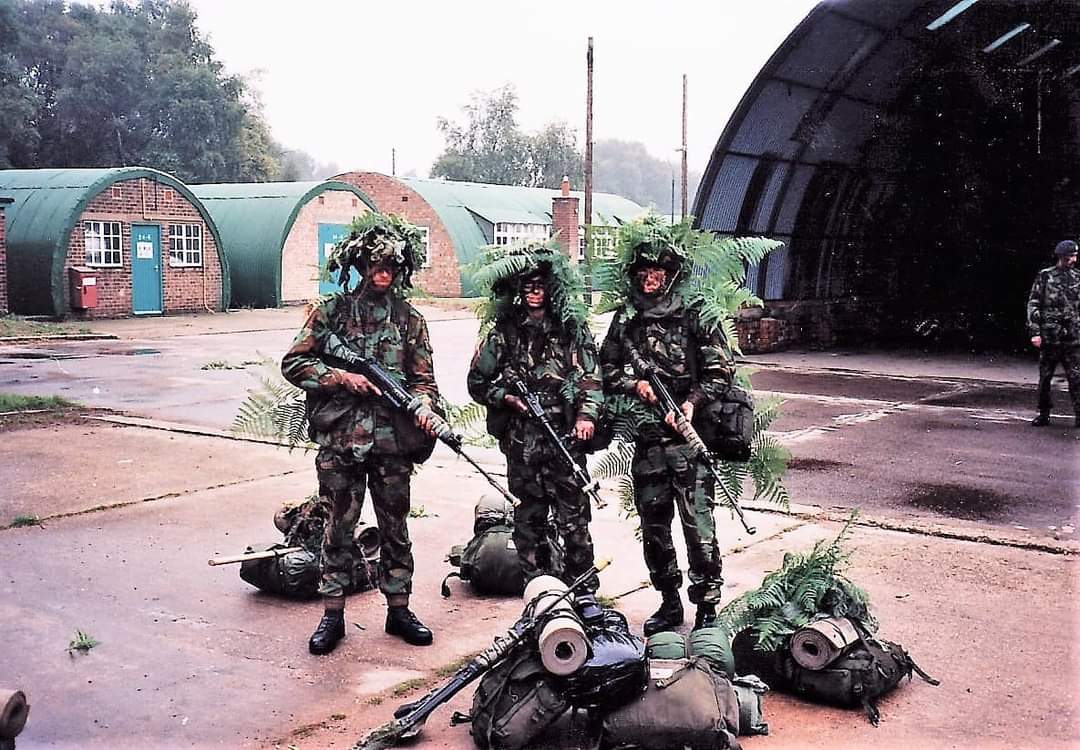
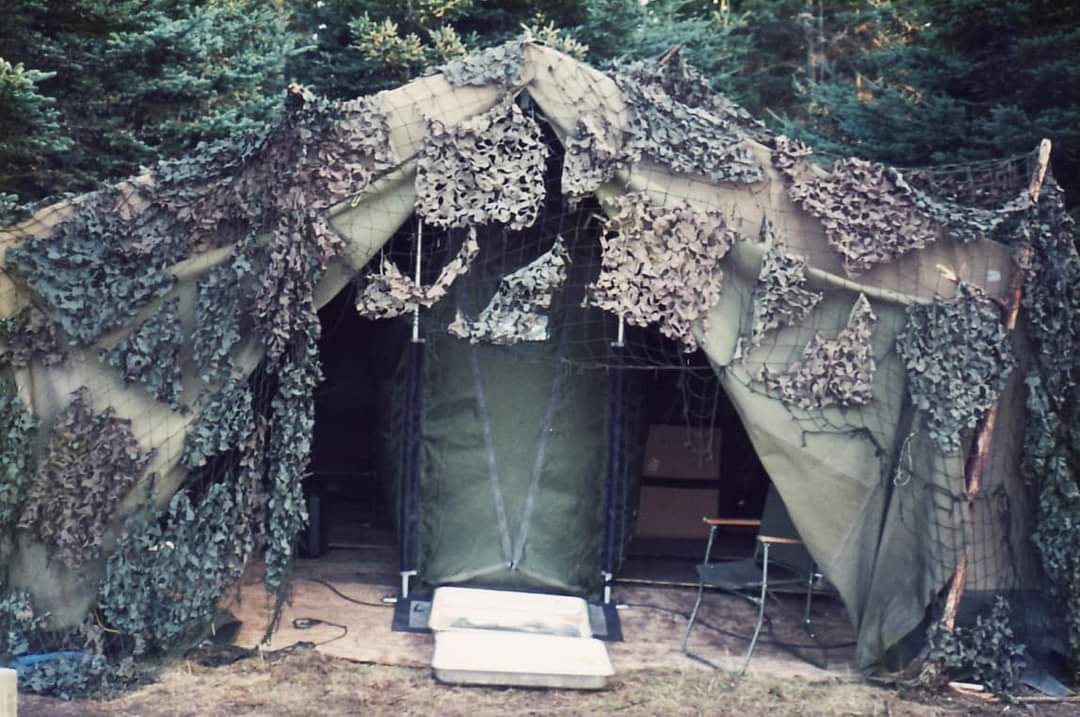
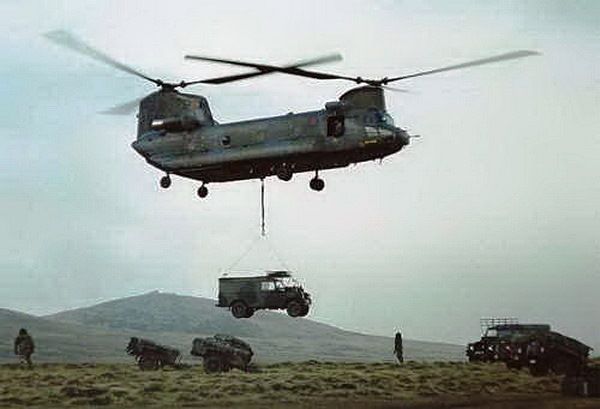
ACE Mobile Force was created in 1960 as a small multinational force, which could be sent at short notice to any threatened part of Allied Command Europe. It demonstrated the solidarity of the Alliance and its ability and determination to resist all forms of aggression against any member of the Alliance. Within ACE Mobile Force, the Tactical Communications Wing supported Close Air Support missions and heavy lift aircraft in the form of Jaguars, Harriers, Chinooks, and Pumas. All ACE Mobile Force personnel were deployed every year on an arduous, three-month exercise called HARD FALL where they had to provide battlefield communications to the RAF Squadrons in support of ground forces. These were tough – before deploying to Norway, ACE Mobile Force personnel were required to undertake Arctic warfare training in Scotland.
UK Mobile Force as a Flight within the Tactical Communications Wing supported battlefield helicopters, the Support Helicopter Force, of 33 and 230 Squadrons (Puma) and 7 and 18 Squadrons (Chinook).
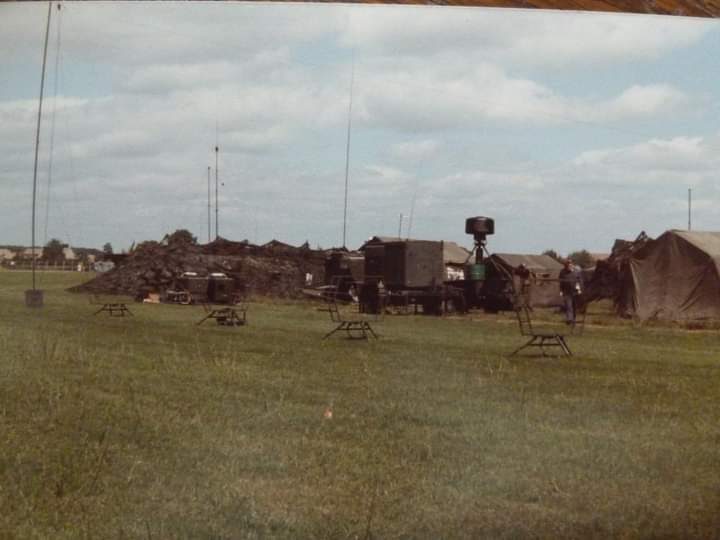
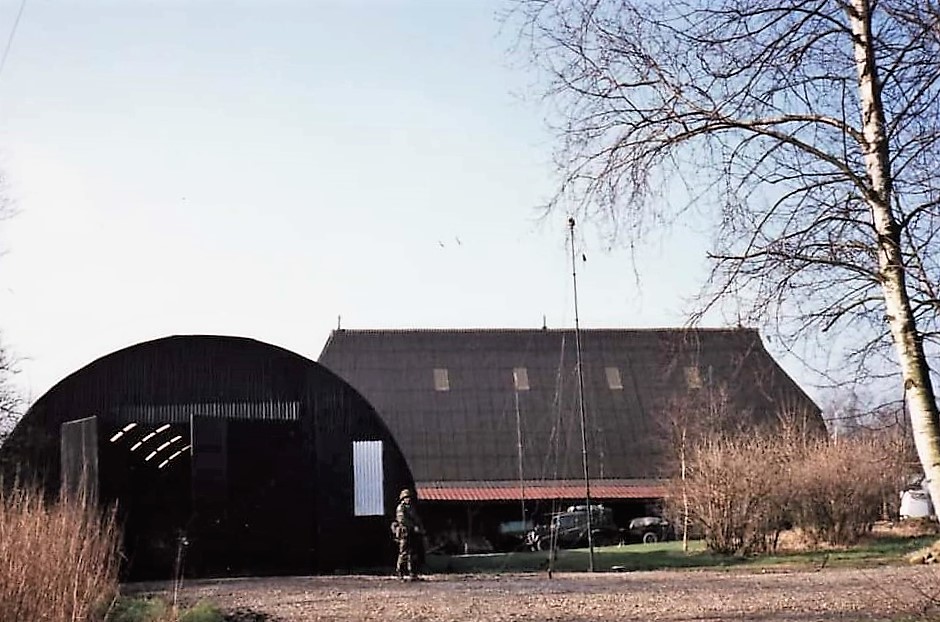
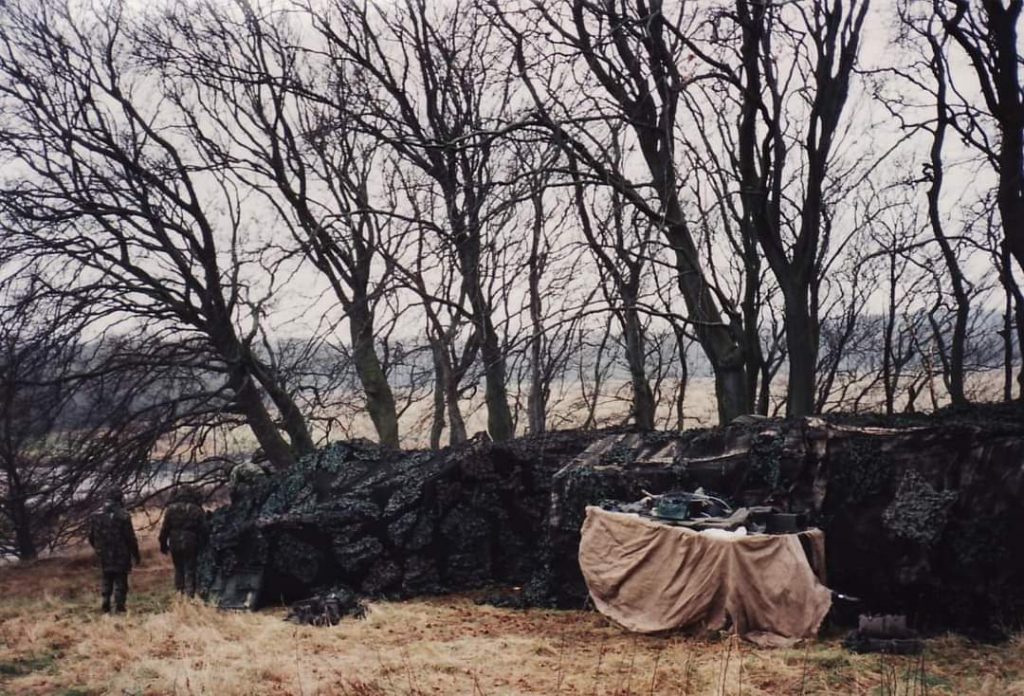
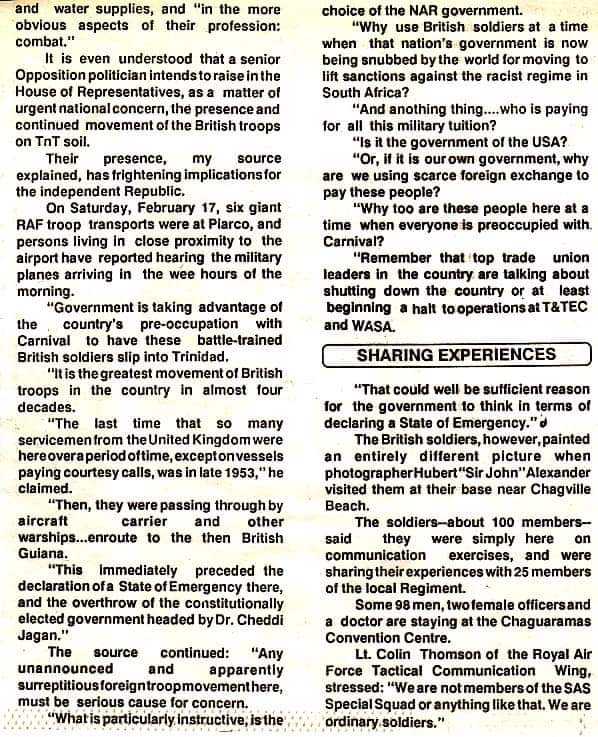
Prior to Operation CORPORATE 1982 and Operation GRANBY in 1990, most of UK Mobile Force deployments were fully tactical exercises, sometimes supporting the Support Helicopter Force but more usually a Tactical Communications Wing /244 Tactical Communications Exercise. These tended to follow a pattern: TAC 2 normally deployed in February to Germany, TAC 3 in March to Denmark, TAC 6 in June to Norway, TAC 10 and TAC 11 to Denmark and/or Germany. All deployments were alongside 244 Signals detachment, which provided the Brigade HQ Communications (Main and Alternative) and Mobile Air Operations Teams. The aim was to always remain mobile; when the HQ (Square formation) was established, the Alternative (Diamond formation) would be on the move. This was to prevent the force from being located and then destroyed by their enemy.
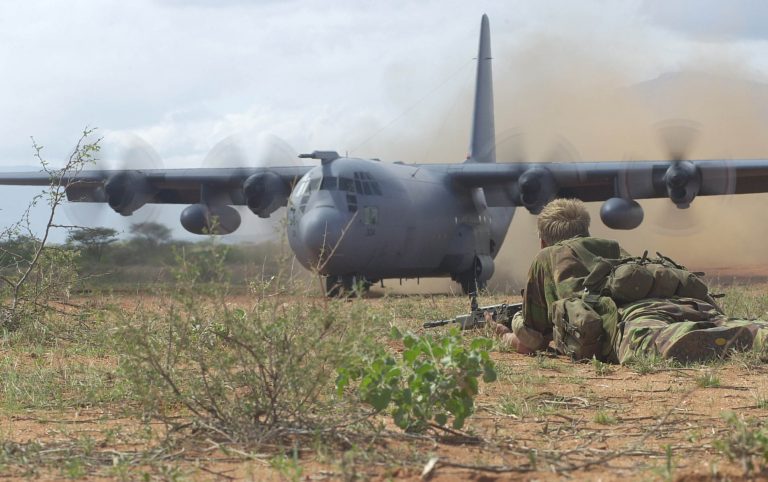
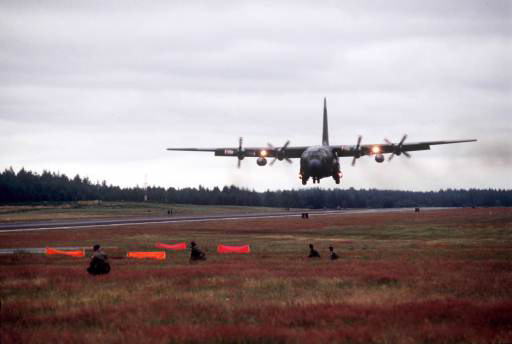
TACATC provided tactical air traffic control and landing zone safety for airborne exercises; they were parachute qualified and able to operate with 5 Airborne Brigade and Special Forces to set up tactical airstrips in support of forward operations.
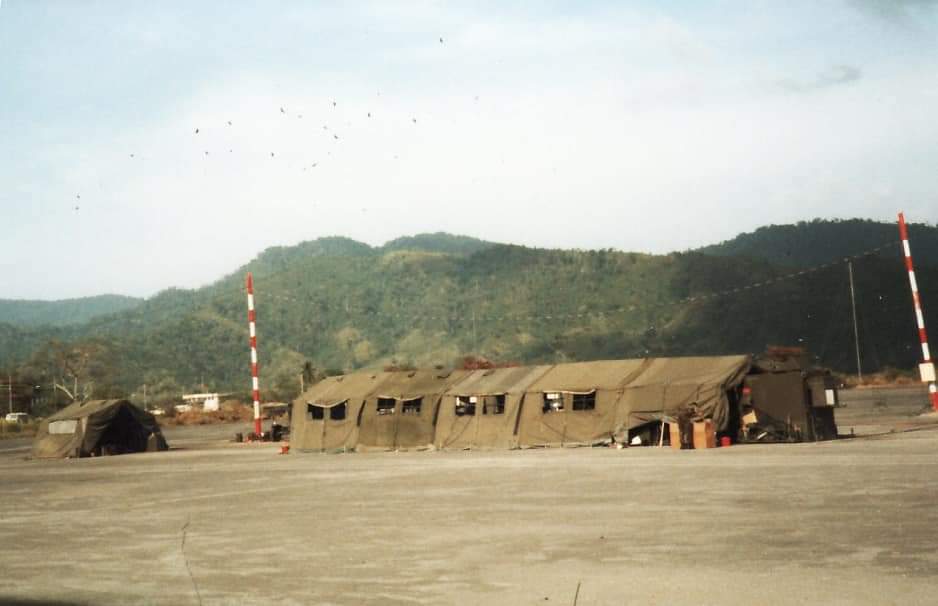
In addition to supporting operations, Tactical Communications Wing had to maintain its own standards, and so practiced inhouse evaluations. This was done through Tactical Communications Exercises, a series of internally generated and coordinated exercises. The high point was the annual Contingency Communications Exercise (ConComEx) where, under Joint Theatre plans, Tactical Communications Wing and both its Navy and Army counterparts would deploy and set up communications in any part of the World. Locations have included the Caribbean, Zimbabwe and the Far East.
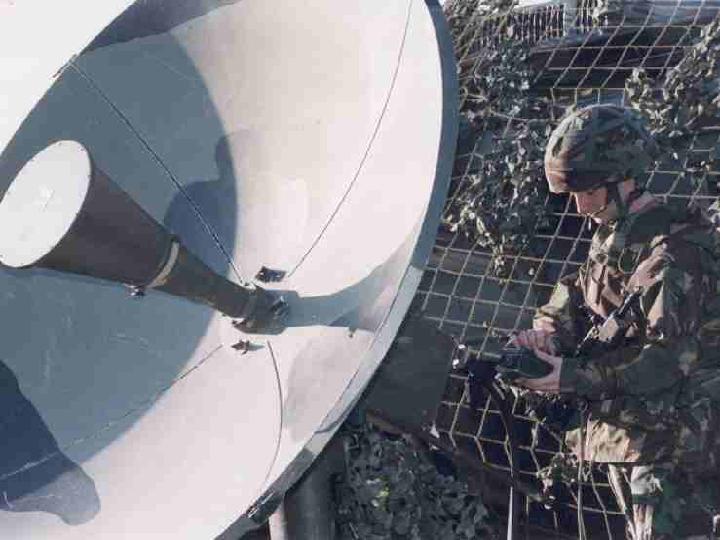
With the introduction of tactical data links in the 1990’s, the Tactical Communications Wing created a flight that was responsible for the deployment of high-speed data links and the revolutionary VSC 501 satellite terminal. The data links personnel provided the backbone for the two 501s deployed in support of the Armoured Brigades during the Gulf War in 1991. With the requirement to support further satellite links during the war, the flight was expanded and supplemented with personnel from all the other flights. This was to shape the Tactical Communications Wing for the future, and it was renamed Strategic Communications Flight after the conflict.
Changing the Flights to Squadrons
With ever-increasing demands being placed on expeditionary communications, MOD approved the expansion of the Tactical Communications Wing in line with sweeping reforms to the British forces. This change in manpower brought about massive changes to the ethos Tactical Communications Wing; with each flight allocated similar equipment and capabilities thus eradicating the need for the old flight structures.
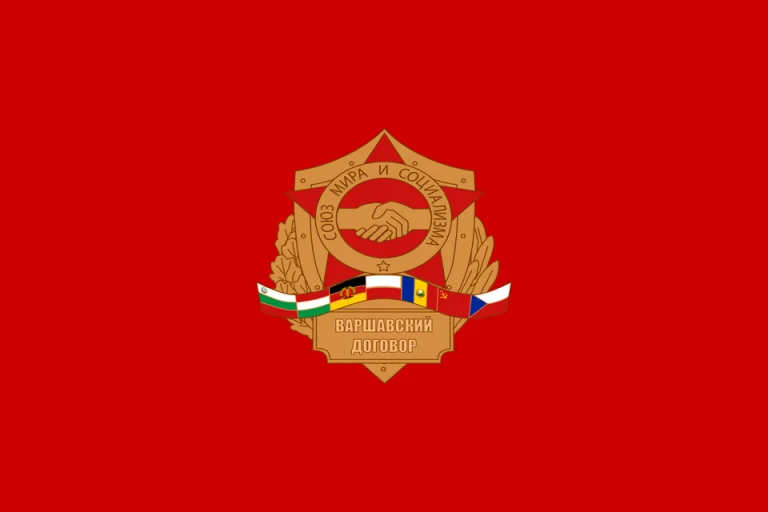
The Cold War
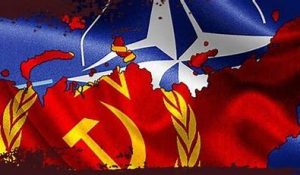
The North Atlantic Treaty Organization, NATO
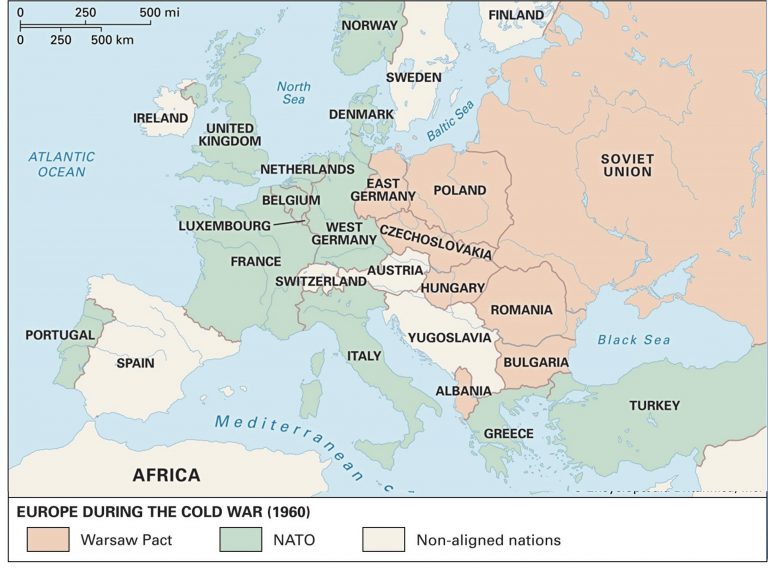
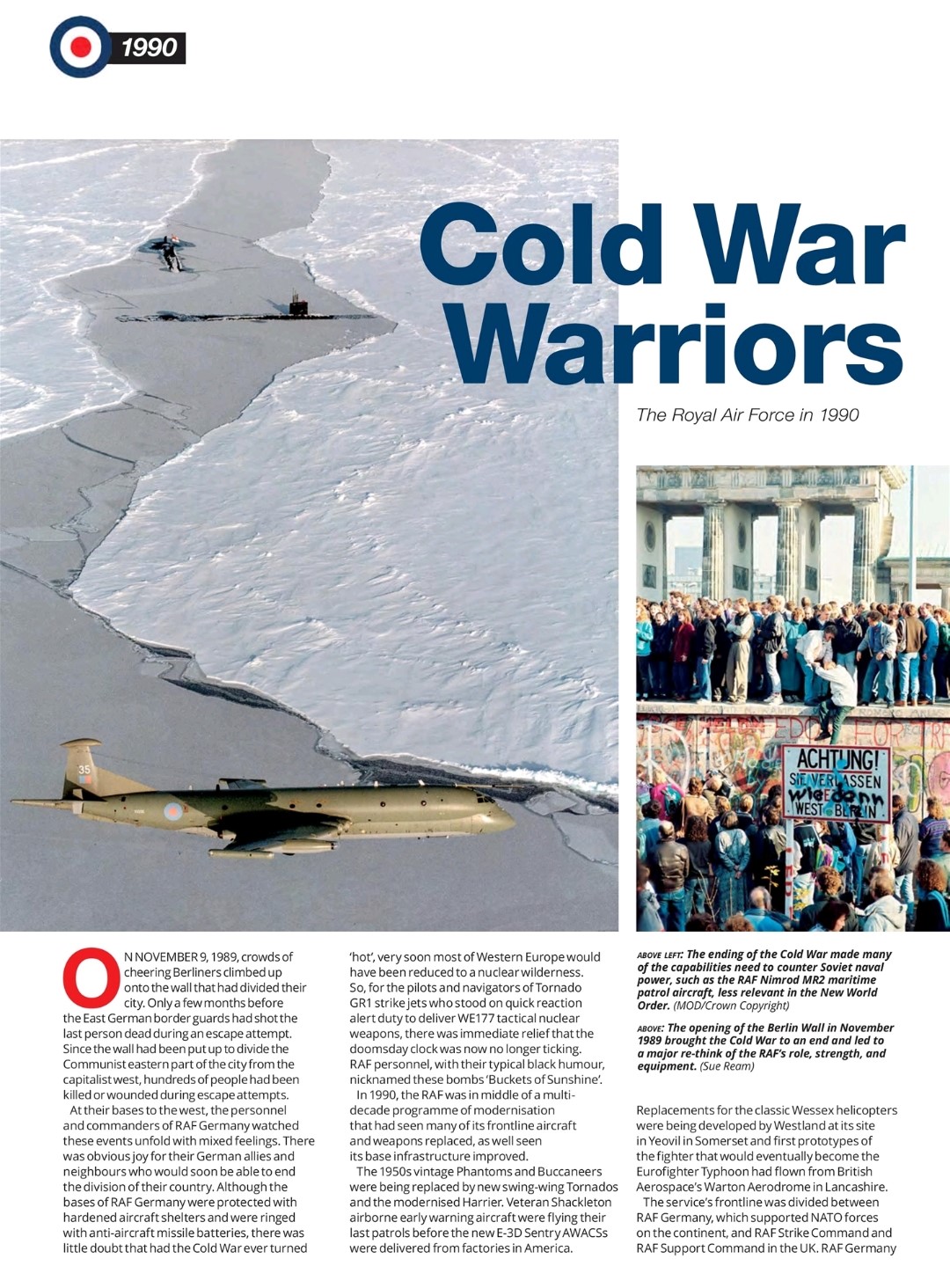
The North Atlantic Treaty Organization, OTAN, Organisation du traite de L’Atlantique nord, has 28 European and 2 North American member states. It was founded in response to the threat posed by the Soviet Union. This is partially true as the Alliance’s creation was part of a broader effort to serve three purposes: deterring Soviet expansionism, forbidding the revival of nationalist militarism in Europe through a strong North American presence on the continent, and encouraging European political integration.
The aftermath of World War II saw much of Europe devastated, approximately 36.5 million Europeans had died in the conflict, 19 million of them civilians. Refugee camps and rationing dominated Europe.
Communists aided by the Soviet Union were threatening elected governments across Europe. In February 1948, the Communist Party of Czechoslovakia, with covert backing from the Soviet Union, overthrew the democratically elected government. Then, in reaction to the democratic consolidation of West Germany, the Soviets blockaded Allied-controlled West Berlin in a bid to consolidate their hold on the German capital. The success and heroism of the Berlin Airlift provided future Allies with some solace, but hardship and poverty remained a significant threat to freedom and stability.
After much debate, the North Atlantic Treaty was signed on 4 April, 1949. In the Treaty’s well-known Article 5, the Allies agreed
“an armed attack against one or more of them… shall be considered an attack against them all” and that following such an attack, each Ally would take “such action as it deems necessary, including the use of armed force”
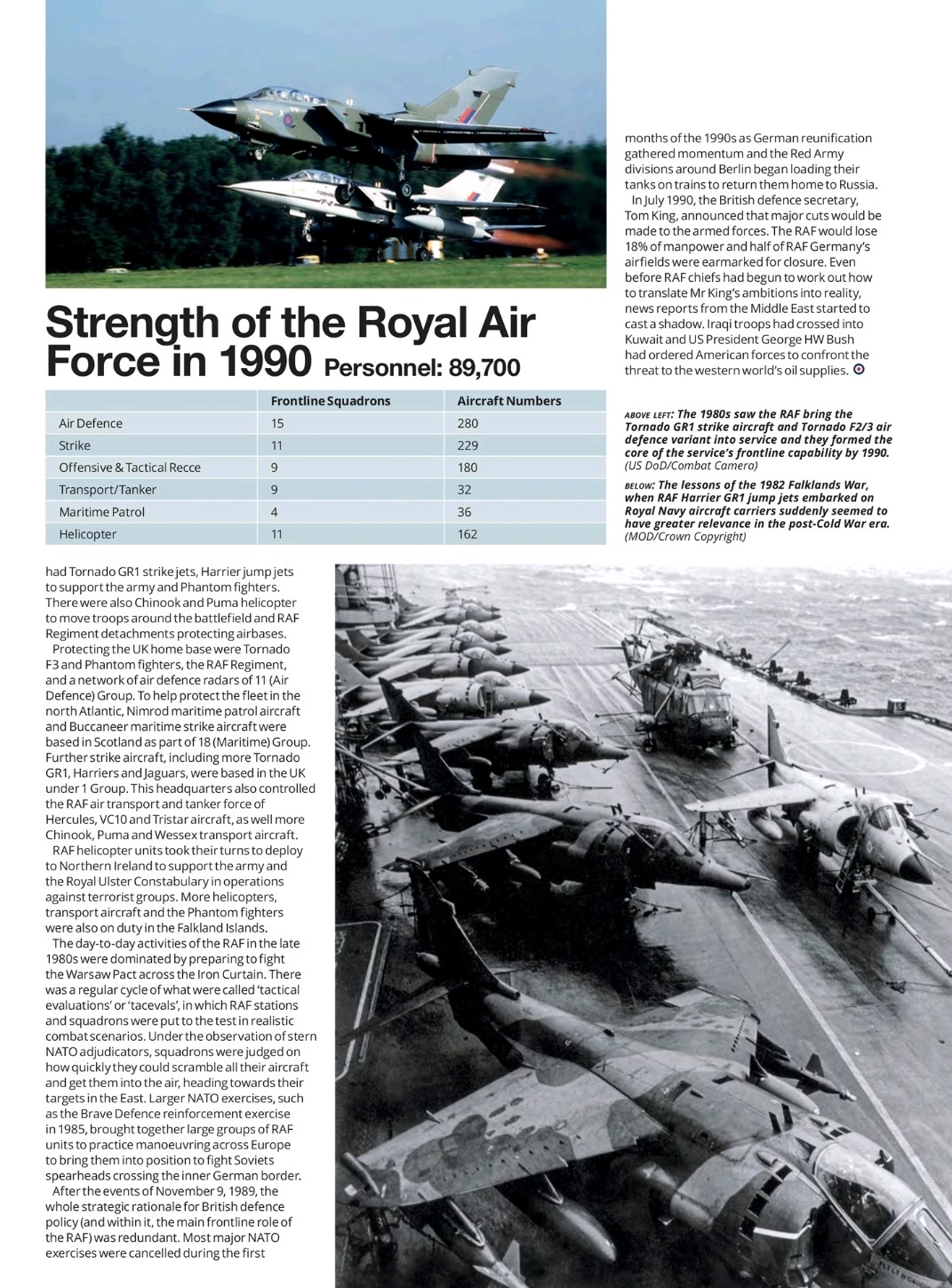
The UK has been a key member of NATO since 1949, with it being Europe’s largest contributor, with a percentage of Gross Domestic Product, GDP being allocated to its upkeep. Prior to the cessation of hostilities in 1991, the UK deployed forces across the Cold War border with troops, equipment and aircraft located in Germany, Belgium, and the Netherlands.
During this time, additional forces, up to 50,000 personnel, were deployed by AMF, UKMF, the RAF and member states on numerous multinational mobilisations during this period on exercises such as Lion Heart, Crusader, Bold Guard and Bold Grouse. Tactical Communications Wing and its TSU predecessors therefore maintained a high readiness state as part of the UK and JRRF commitment.